Maintaining a fresh and healthy home environment often begins from the ground up—specifically, with your carpets. While regular vacuuming handles surface dirt, deep cleaning through shampooing is essential to tackle the grime, allergens, and odors embedded deep within the fibers. But how frequently should you truly shampoo your carpets at home to ensure they look their best and contribute to a healthier living space? The answer isn’t a simple one-size-fits-all, as several factors unique to your household can significantly influence the ideal cleaning schedule. Understanding these variables will help you tailor a carpet care routine that safeguards your investment and promotes better indoor air quality for years to come.
Understanding Carpet Shampooing: Why It Matters
Carpet shampooing, often referred to as hot water extraction or deep cleaning, goes beyond the capabilities of a standard vacuum cleaner. While vacuuming effectively removes loose dirt, dust, and debris from the carpet’s surface, shampooing uses a solution of hot water and cleaning agents to penetrate deep into the carpet fibers. This process agitates and lifts embedded soil, allergens like dust mites and pet dander, and stubborn odors that regular vacuuming can’t reach.
The benefits of regular deep cleaning are substantial. It not only restores your carpet’s appearance, making it look vibrant and fresh, but also significantly extends its lifespan by preventing the abrasive action of trapped dirt from wearing down the fibers. More importantly, shampooing drastically improves indoor air quality by removing a build-up of microscopic particles and bacteria, which can be particularly beneficial for allergy sufferers or homes with children and pets.
General Guidelines: How Often to Shampoo Your Carpets
For the average household with moderate foot traffic and no specific concerns like pets or severe allergies, a professional deep clean or thorough home shampooing is generally recommended every 12 to 18 months. This timeframe provides a good balance, ensuring that deep-seated dirt and allergens are removed before they accumulate excessively, while also preventing overwetting or unnecessary wear on your carpet.
However, it is crucial to recognize that this is a baseline. Your specific lifestyle, the composition of your household, and even the climate you live in will likely necessitate adjustments to this standard recommendation. Think of your carpets as large filters for your home; the more they “filter,” the more frequently they will need a deep cleanse.
Factors Influencing Your Carpet Shampooing Schedule
Several key factors determine whether your carpets need more frequent attention than the general 12-18 month guideline. Considering these aspects will help you develop a personalized shampooing schedule.
High-Traffic Areas
Areas that see a lot of footfall, such as entryways, hallways, living rooms, and stairwells, accumulate dirt much faster than less-used spaces. In these zones, dirt and debris are constantly tracked in and ground deep into the fibers. For high-traffic areas, it is advisable to consider deep cleaning every 6 to 12 months, or even every 3 to 6 months if the traffic is exceptionally heavy, to prevent premature wear and maintain a clean appearance.
Homes with Pets
Our furry companions bring immense joy, but they also contribute significantly to carpet soiling. Pet fur, dander, tracked-in dirt, and occasional accidents can quickly lead to odors and embedded grime. For homes with a single pet, deep cleaning every 3 to 6 months is often recommended. If you have multiple pets or heavy-shedding breeds, you might find it beneficial to shampoo your carpets as frequently as every 2 to 3 months to manage dander, bacteria, and potential odor buildup.
Households with Children
Children, especially young ones, are another major factor for increased carpet cleaning needs. Spills, food crumbs, tracked-in mud, and general playtime messes can quickly embed into carpet fibers. Their developing immune systems are also more vulnerable to allergens and bacteria that carpets can harbor. Families with young children should consider deep cleaning their carpets every 3 to 6 months to maintain a hygienic environment.
 A family with children and pets on a clean, vibrant carpet in a living room after shampooing, illustrating a healthy home environment.
Allergies and Asthma Concerns
Carpets can act as a reservoir for allergens like dust mites, pollen, and pet dander, trapping them and preventing them from circulating in the air. However, when these carpets become saturated with allergens, they can exacerbate allergy and asthma symptoms. For households with allergy or asthma sufferers, more frequent deep cleaning is crucial. Experts often recommend shampooing carpets every 3 to 6 months, and for severe cases, even monthly cleaning of specific problem areas can be beneficial to significantly reduce allergen levels and improve indoor air quality.
Indoor Smoking
If someone in the household smokes indoors, the carpet can quickly absorb smoke odors and nicotine deposits, leading to discoloration and a persistent stale smell. To combat this, carpets in homes with indoor smokers should be deep cleaned every 3 to 6 months to remove trapped chemicals and refresh the living space.
Carpet Type and Color
While not as critical as household activity, the type and color of your carpet can also subtly influence cleaning frequency. Light-colored carpets, for instance, visibly show dirt and stains more readily, prompting more frequent cleaning to maintain their aesthetic. Long-pile carpets, with their deeper fibers, can also trap more dirt and allergens, potentially requiring more regular deep cleans than shorter-pile alternatives.
Seasonal Weather
Living in climates prone to heavy rain or snow means more mud, salt, and moisture are likely to be tracked into your home. During these seasons, you might find your carpets, especially near entryways, needing more frequent attention. A deep clean after a particularly wet or snowy season can help remove accumulated debris and prevent mildew growth.
Signs Your Carpet Needs a Deep Clean
Beyond a set schedule, your carpet will often give you clear indications that it’s time for a thorough shampooing. Paying attention to these warning signs can help you address issues before they become more severe or permanent.
- Visible Stains and Discoloration: If you notice stubborn stains that no longer respond to spot cleaning, or if your carpet’s color appears dull, dingy, or generally discolored, it’s a strong indicator that deep-seated dirt is impacting its appearance.
- Lingering Odors: Persistent unpleasant smells—whether from pets, spills, or a general musty scent—even after regular vacuuming, signal that odors have penetrated deep into the carpet fibers and padding, requiring a comprehensive clean.
- Flattened or Matted Fibers / Traffic Patterns: When carpet fibers in heavily trafficked areas appear flattened, matted down, or show distinct dark pathways, it means dirt and debris have been ground deep into the pile, causing the fibers to lose their resilience and original texture.
- Increased Allergy Symptoms: If household members experience a noticeable increase in allergy symptoms like sneezing, coughing, or itchy eyes while at home, it could be due to an overload of allergens trapped within your carpet. A deep clean can significantly reduce these triggers.
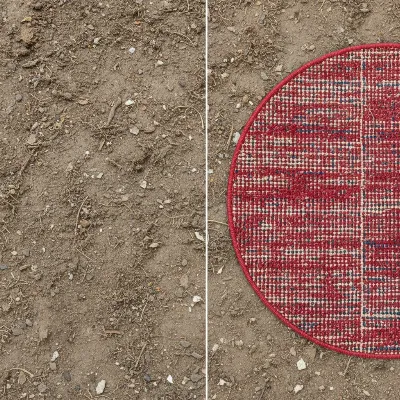 A visibly soiled, matted carpet next to a small, bright, freshly shampooed spot, highlighting the dramatic difference deep cleaning makes.
DIY vs. Professional Carpet Shampooing
When it comes to deep cleaning your carpets, homeowners have two primary options: DIY with rental or purchased equipment, or hiring a professional service. Both have their merits.
DIY carpet shampooing offers convenience and can be a cost-effective solution for routine maintenance between professional cleans or for addressing smaller areas. Modern home carpet shampooers can be effective for surface-level refresh and light dirt removal. However, consumer-grade machines typically have less suction power and heating capacity than professional systems, which means they might not extract water as thoroughly. This could potentially leave carpets damp for longer, increasing the risk of mold or mildew if not dried properly.
Professional carpet cleaning services utilize powerful, truck-mounted or high-end portable systems that heat water to optimal temperatures and offer superior suction. Trained technicians understand various carpet types and soil conditions, applying appropriate techniques and solutions for a more thorough deep clean. While the upfront investment is higher, professional cleaning often provides a deeper, longer-lasting clean that is more effective at removing embedded allergens, stubborn stains, and odors, and ensures quicker drying times. For allergy-sensitive households or homes with significant pet or child traffic, combining regular DIY vacuuming and spot cleaning with periodic professional deep cleaning often yields the best results.
Tips for Maintaining Your Carpets Between Deep Cleans
Even with a regular shampooing schedule, daily maintenance is crucial to keep your carpets looking their best and to prolong the time between deep cleans.
- Vacuum Regularly: Make vacuuming a consistent habit. High-traffic areas should be vacuumed at least two to three times a week, while moderate-traffic areas benefit from weekly vacuuming. Use a quality vacuum with strong suction and, ideally, a HEPA filter to capture fine particles.
- Spot Clean Immediately: Address spills and stains as soon as they occur. The quicker you act, the less likely a stain is to set permanently. Always blot, never rub, to avoid spreading the stain or damaging carpet fibers.
- Use Doormats: Place absorbent doormats at all entryways to trap dirt and moisture before it’s tracked onto your carpets.
- Remove Shoes: Adopting a “no-shoes indoors” policy can dramatically reduce the amount of dirt, chemicals, and allergens brought into your home.
- Groom Pets Regularly: Frequent brushing of pets helps reduce shedding and dander accumulation on your carpets.
Conclusion
Determining how often to shampoo your carpets at home in 2026 ultimately depends on your unique household environment. While a general guideline suggests deep cleaning every 12 to 18 months, factors such as high foot traffic, the presence of children or pets, indoor smoking, and allergy concerns necessitate more frequent attention, often every 3 to 6 months for optimal cleanliness and health benefits. Regular shampooing is not merely about aesthetics; it’s a critical component of maintaining a healthy home, extending the life of your carpets, and ensuring cleaner indoor air. By understanding your specific needs and recognizing the signs your carpet gives, you can establish an effective cleaning routine that keeps your home fresh and inviting. What changes will you make to your carpet cleaning routine this year to ensure a healthier home?
Frequently Asked Questions
How long does it take for carpets to dry after shampooing?
Drying times can vary significantly depending on the method used, carpet thickness, humidity levels, and ventilation. Professional hot water extraction typically allows carpets to dry within 6 to 12 hours due to powerful suction. Home shampooing machines may take longer, often 12 to 24 hours. Ensuring good ventilation with fans and open windows can expedite the drying process.
Is shampooing carpets bad for them?
No, proper carpet shampooing (hot water extraction) is not bad for carpets; in fact, it’s essential for their longevity and hygiene. However, improper techniques, such as overwetting, using too much detergent, or not rinsing thoroughly, can leave behind residue that attracts dirt or creates conditions for mold. Always follow machine instructions or hire professionals.
Can I use a regular vacuum after shampooing?
You should not use a regular vacuum immediately after shampooing, as the carpet will still be damp. Vacuuming a wet carpet can damage both the vacuum and the carpet fibers. Once the carpet is completely dry, typically after 12-24 hours, you can resume regular vacuuming to maintain its cleanliness.
