As the Admin of ReviewsMonk.com, with over a decade of hands-on experience in carpet cleaning technology, I’ve witnessed countless homeowners grapple with stubborn carpet stains. It’s a common scenario: you’ve run out of your specialized carpet cleaning solution, and there, under the sink, sits a bottle of laundry detergent. It cleans clothes, right? So, why not carpets? This seemingly logical shortcut is a temptation many fall for, but it’s a path fraught with potential pitfalls for both your cherished carpets and your cleaning machine. While the allure of convenience and cost-saving is strong, understanding the fundamental differences between laundry detergents and carpet cleaning solutions is crucial for maintaining the longevity and appearance of your carpets. In this comprehensive guide, we’ll delve into why laundry detergent is generally ill-suited for carpet cleaners, explore the risks involved, and provide you with the best alternatives to achieve a truly clean, residue-free home.
Understanding Your Carpet Cleaner: Beyond Just Water and Soap
Carpet cleaners, specifically hot water extraction units, operate on a principle distinct from washing machines. They spray a solution of hot water and cleaning agent deep into the carpet fibers, agitate them, and then immediately suction out the dirty water. This process is designed to lift dirt and stains without oversaturating the carpet, which is vital for preventing mold, mildew, and drying issues. The cleaning solutions formulated for these machines are engineered to be low-foaming, easy to rinse, and effective at breaking down carpet-specific grime and odors. They are also designed to be gentle on carpet fibers and the machine’s internal components.
A washing machine, conversely, uses extensive agitation and multiple rinse cycles to remove suds and detergent residue from clothes. This fundamental difference in operation highlights why a product designed for one might not perform optimally, or even safely, in the other.
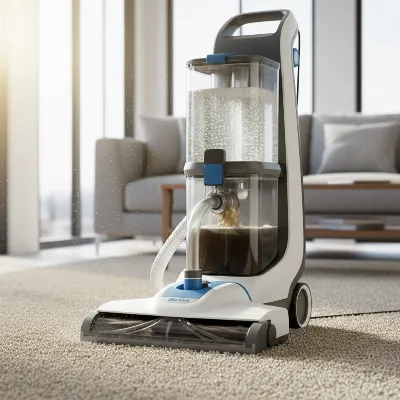 A modern upright carpet cleaner extracting dirty water from a plush living room carpet, showing the clean and dirty water tanks.
The Hidden Dangers: Why Laundry Detergent and Carpet Cleaners Don’t Mix
The temptation to substitute laundry detergent for a specialized carpet cleaning solution is understandable, but the consequences can range from minor annoyances to significant damage. Laundry detergents contain a cocktail of ingredients optimized for clothing, not carpets, and their chemical makeup is simply not compatible with the mechanics of a carpet cleaner or the composition of carpet fibers.
The Foaming Fiasco: Clogging and Overflow
Table is empty.One of the most immediate and visible problems when using laundry detergent in a carpet cleaner is excessive foaming. Laundry detergents are designed to create abundant suds to agitate dirt out of clothes in a washing machine. In a carpet cleaner, these voluminous bubbles cause several issues. They can quickly overflow the machine’s recovery tank, creating a messy situation and potentially damaging the motor or electrical components. More critically, the thick foam can clog the suction mechanism of your carpet cleaner, severely reducing its ability to extract the dirty water from your carpet. This leaves your carpet oversaturated, leading to prolonged drying times and an increased risk of mildew and unpleasant odors.
Sticky Situations: Residue and Re-soiling
Perhaps the most insidious problem with using laundry detergent is the sticky residue it leaves behind. Unlike washing machines that perform multiple rinse cycles, carpet cleaners typically offer limited rinsing capabilities. Laundry detergent is formulated to cling to fabric fibers to release dirt, and without sufficient rinsing, this residue remains embedded in your carpet. This sticky film acts like a magnet, attracting new dirt, dust, and grime at an accelerated rate. Your freshly “cleaned” carpet might look good for a day or two, but it will quickly become dirtier than before, negating all your cleaning efforts. This cycle of rapid re-soiling is frustrating and ultimately counterproductive.
Machine Mayhem: Damage to Your Equipment
Your carpet cleaner is an investment, and using the wrong cleaning agent can compromise its lifespan and performance. The excessive suds from laundry detergent can put undue strain on the machine’s pump and motor, potentially causing them to overheat or fail prematurely. Residue buildup can also clog internal hoses and nozzles, reducing suction power and overall efficiency. Many carpet cleaner manufacturers explicitly state that using non-approved cleaning solutions, such as laundry detergent, can void your warranty, leaving you responsible for costly repairs or replacement if damage occurs.
Carpet Catastrophe: Discoloration and Damage
The ingredients in laundry detergents are designed for the robust fibers of clothing, not the delicate and diverse materials found in carpets. Many laundry detergents contain harsh chemicals, strong alkalis, and optical brighteners that can be detrimental to carpet fibers.
“Carpet cleaners are formulated with specific enzymes that target protein-based stains, unlike laundry detergents, which are more general-purpose.” – Jessica Moore, Cleaning Product Developer and member of the American Cleaning Institute.
Here’s how they can harm your carpet:
- Discoloration and Fading: High pH levels (alkalinity) common in laundry detergents can strip dyes from carpet fibers, leading to permanent discoloration or fading, especially on natural fibers like wool or silk. Optical brighteners, designed to make whites appear whiter, can react with UV light and cause an unsightly yellowish tint or streaking on carpets over time.
- Fiber Damage: Harsh chemicals can weaken carpet fibers, making them more susceptible to wear and tear. They can also strip away factory-applied stain-resistant coatings, leaving your carpet more vulnerable to future spills.
- Crunchy Texture: The unrinsed residue can leave your carpet feeling stiff, crunchy, or rough to the touch, a far cry from the soft, plush feel you expect after a thorough cleaning.
The Right Path: Approved Carpet Cleaning Solutions
To protect your carpet and your cleaning machine, always opt for cleaning solutions specifically designed for carpet cleaners. These products are formulated to work synergistically with the machine’s hot water extraction method, delivering optimal cleaning performance without the adverse side effects of laundry detergent.
Commercial Carpet Shampoos: Designed for Success
Commercial carpet cleaning solutions are engineered with several key characteristics that make them ideal for your machine:
- Low-Foaming Formulas: These solutions produce minimal suds, ensuring efficient water extraction and preventing machine clogs and overflows.
- Residue-Free or Low-Residue: They are designed to rinse cleanly from carpet fibers, preventing sticky buildup that attracts dirt.
- Carpet-Safe Ingredients: Formulated with appropriate pH levels and gentle cleaning agents that won’t damage dyes, fibers, or stain-resistant treatments.
- Targeted Cleaning: Many solutions contain specialized enzymes to break down specific types of stains (like pet urine or food spills) and deodorizers to neutralize odors, not just mask them.
Always check your carpet cleaner’s manual for recommended or approved cleaning solutions from the manufacturer.
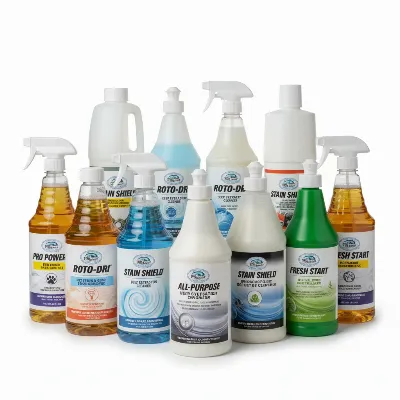 Various types of commercial carpet cleaning solutions bottles arranged neatly, emphasizing variety and specialty.
Effective DIY Alternatives: When to Use Them
While commercial solutions are generally best, certain household staples can serve as effective and safe alternatives for light cleaning or spot treatments, especially if you’re looking for natural options. However, always test any DIY solution in an inconspicuous area of your carpet first to check for colorfastness.
Vinegar and Water Power
White vinegar is a cleaning powerhouse, thanks to its acetic acid content. It’s excellent for dissolving dirt, breaking down mineral deposits, cutting through grease, and, significantly, neutralizing odors. For use in a carpet cleaning machine, a diluted solution of white vinegar and warm water can be effective. A common ratio is one part white vinegar to two parts water for synthetic carpets, or equal parts vinegar and water for natural fibers. Some recipes also suggest adding a teaspoon of mild, low-sudsing dish soap to this mixture for enhanced cleaning power. [cite: 1 (homemade), 3 (homemade), 5 (homemade)]
Baking Soda’s Odor-Fighting Prowess
Baking soda (sodium bicarbonate) is renowned for its absorbent and deodorizing properties. While not typically used as a liquid solution in a carpet cleaner, it’s an excellent pre-treatment for absorbing odors and some types of stains. Sprinkle a generous layer of baking soda over dry carpet, let it sit for several hours or overnight to absorb odors, then vacuum it up thoroughly. This method works wonders for general freshening. [cite: 1 (homemade), 2 (homemade), 5 (homemade)]
Gentle Dish Soap (with caution)
A small amount of very mild, low-foaming dish soap can act as a surfactant, helping water penetrate fibers and lift dirt. However, extreme caution is advised, as even “mild” dish soap can produce too many suds or leave residue if not used sparingly and thoroughly rinsed. If you choose to incorporate it into a DIY solution, use only a tiny drop (e.g., 1 tablespoon per gallon of water mixed with vinegar) and ensure it’s a high-quality, fragrance-free formula to minimize risks.
Choosing the Best Cleaning Solution for Your Carpet
Selecting the right cleaning solution goes beyond just avoiding laundry detergent; it involves considering your carpet’s specific needs and the type of cleaning challenge you face.
Consider Your Carpet Type: Natural vs. Synthetic Fibers
The material of your carpet plays a significant role in determining suitable cleaning agents.
- Synthetic Carpets (Nylon, Polyester, Olefin): These are generally more durable and resistant to chemicals. Most commercial carpet shampoos and diluted vinegar solutions are safe.
- Natural Fiber Carpets (Wool, Silk, Cotton): These are more delicate and sensitive to harsh chemicals and high pH levels. Strong alkaline detergents (like many laundry soaps) can cause shrinkage, color bleeding, or fiber damage. Always use pH-neutral or mildly acidic solutions, such as diluted white vinegar, and spot-test rigorously.
Assess the Stain: What Are You Up Against?
Different stains respond to different treatments.
- General Dirt and Grime: A standard commercial carpet shampoo or a vinegar and water solution is usually sufficient.
- Pet Stains and Odors: Look for enzyme-based carpet cleaners. Enzymes are highly effective at breaking down organic matter (like urine, vomit) and neutralizing lingering odors at a molecular level, rather than just masking them. [cite: 3 (homemade)]
- Grease and Oil Stains: Some commercial solutions are formulated with grease-cutting agents. For DIY, baking soda sprinkled on the fresh stain to absorb oil before vacuuming can be helpful.
Manufacturer Guidelines: Your First Resource
Always consult your carpet cleaner’s user manual and your carpet manufacturer’s care instructions. These resources provide specific recommendations for cleaning solutions and methods that are safe for both your machine and your carpet, ensuring you don’t accidentally void warranties or cause damage.
Best Practices for a Spotless, Residue-Free Clean
Even with the correct cleaning solution, proper technique is essential for achieving the best results and preventing issues like residue buildup or prolonged drying.
Pre-Treating Stubborn Stains
For heavily soiled areas or set-in stains, pre-treatment can make a significant difference. Apply a dedicated carpet pre-treatment spray or a diluted solution of your chosen carpet shampoo directly to the stain a few minutes before running the machine. This allows the cleaning agents to penetrate and break down the grime, leading to more effective extraction.
Proper Dilution is Key
Concentrated cleaning solutions are designed to be diluted. Always follow the manufacturer’s instructions for the correct dilution ratio. Using too much solution, even a carpet-specific one, can lead to excess suds and residue, while too little may not be effective. Precision ensures both safety and efficacy.
The Importance of Rinsing Thoroughly
After applying your cleaning solution, ensure you perform adequate rinsing passes with clean water. Many carpet cleaners have a separate rinse setting or recommend doing extra passes with just plain hot water in the solution tank. This step is critical for removing any remaining cleaning agents and preventing residue buildup, which is a common cause of rapid re-soiling.
Ensuring Proper Drying
Once cleaning is complete, ensure your carpet dries thoroughly and quickly. Proper ventilation is key: open windows, use fans, or run a dehumidifier. Avoid walking on damp carpets, as this can transfer dirt from shoes back onto the wet fibers and compact them. Rapid drying prevents the growth of mold and mildew and keeps your carpets fresh.
Comparing Cleaning Solutions: A Quick Overview
To further highlight the distinct characteristics of various cleaning agents, here’s a comparative overview, emphasizing why specialized carpet shampoos are the superior choice.
| Feature | Commercial Carpet Shampoo | Vinegar & Water (DIY) | Mild Dish Soap (DIY, sparingly) | Laundry Detergent (NOT Recommended) |
|---|---|---|---|---|
| Foaming | Low | Low | Moderate-High | Very High |
| Residue | Minimal | Minimal | Can leave some | Sticky, significant |
| Carpet Safety | High (if specific to type) | High (test first) | Moderate (test first) | Low (risk of damage, discoloration) |
| Machine Safety | High | High | Moderate (risk of clogs) | Low (high risk of damage) |
| Effectiveness (Stains) | High | Moderate | Moderate | Moderate (but with side effects) |
| Odor Neutralization | Good | Excellent | Fair | May mask with fragrance |
| Cost | Moderate-High | Low | Low | Low (but high hidden costs) |
The Smart Choice: Protecting Your Investment
Ultimately, the decision of what to put into your carpet cleaner comes down to protecting your investment—both your valuable carpets and your cleaning machine. While the immediate cost of laundry detergent might seem appealing, the potential hidden costs of damage, premature wear, and the need for more frequent cleaning due to residue buildup far outweigh any initial savings.
Prioritizing Carpet and Machine Longevity
Choosing a specially formulated carpet cleaning solution ensures your machine operates as intended and your carpets receive the gentle yet effective cleaning they need. These products are designed to extend the life of your carpet by preserving its fibers, dyes, and protective coatings, while also safeguarding the mechanical integrity of your carpet cleaner.
The True Cost of Shortcuts
Attempting to cut corners with laundry detergent is a classic example of being penny-wise and pound-foolish. The repair bills for a damaged machine, the cost of professional carpet cleaning to rectify detergent residue, or even the expense of replacing a permanently damaged carpet will far exceed the price of a proper carpet cleaning solution.
When to Call the Professionals
For extremely stubborn stains, heavily soiled carpets, or delicate natural fibers, sometimes the best solution is to call in professional carpet cleaners. They possess industrial-grade equipment, specialized knowledge, and powerful, eco-safe solutions that can tackle challenges beyond the scope of home machines, ensuring a truly deep and residue-free clean.
Conclusion
The allure of using laundry detergent in your carpet cleaner is strong, but as we’ve explored, the risks far outweigh any perceived benefits. From excessive suds and sticky residue to potential damage to both your carpet and machine, this shortcut can lead to more problems than it solves. For the best results, always opt for cleaning solutions specifically designed for hot water extraction carpet cleaners, or utilize proven DIY alternatives like diluted white vinegar for lighter tasks. By understanding the unique needs of your carpets and your cleaning equipment, you can ensure a truly effective, safe, and long-lasting clean. Make the smart choice to protect your home and enjoy the fresh, plush carpets you deserve.
What cleaning challenges have you faced with your carpet cleaner, and what solutions have you found most effective?
Frequently Asked Questions
Can I use a small amount of laundry detergent for spot cleaning carpets?
While a very small, highly diluted amount of mild, low-sudsing laundry detergent might temporarily lift a fresh spot stain, it’s generally not recommended. It still carries the risk of leaving residue, which can attract more dirt and become a bigger problem over time. For spot cleaning, a dedicated carpet spot cleaner or a simple solution of white vinegar and water is a safer choice.
What are the main differences between laundry detergent and carpet cleaning solution?
Laundry detergent is formulated for washing clothes, creating high suds and often leaving behind residue and brighteners that are rinsed away in a washing machine. Carpet cleaning solutions are low-foaming, designed to rinse cleanly, and specifically formulated to break down carpet-specific dirt and stains without damaging fibers or leaving sticky residue.
Will using laundry detergent void my carpet cleaner’s warranty?
Yes, most carpet cleaner manufacturers explicitly state that using non-approved cleaning solutions, such as laundry detergent, can void your machine’s warranty. This is due to the potential for damage from excessive foaming and residue buildup within the machine’s components.
What happens if I accidentally used laundry detergent in my carpet cleaner?
If you’ve already used laundry detergent, the most crucial step is to thoroughly rinse your carpet with plain hot water, making multiple passes until no more suds are visible in the recovery tank. You may need to do several rinse cycles. You can also add a defoamer specifically designed for carpet cleaners to the recovery tank to manage the suds.
Are homemade carpet cleaner solutions safe for all types of carpets?
Most homemade solutions, particularly those using white vinegar and water, are safe for synthetic carpets. However, natural fibers like wool or silk can be sensitive to acidic solutions (like strong vinegar) or alkaline ones. Always perform a patch test in an inconspicuous area and allow it to dry completely before applying any homemade solution to the entire carpet.
Can I use dish soap in my carpet cleaner instead of laundry detergent?
Mild dish soap is sometimes included in very small amounts in homemade carpet cleaning recipes (often with vinegar and water). However, like laundry detergent, dish soap can create excessive suds and leave a sticky residue if not used sparingly and rinsed thoroughly. It’s generally safer to use a purpose-built carpet cleaning solution or a simple vinegar and water mix.
How can I get rid of the sticky residue left by laundry detergent in my carpet?
Removing laundry detergent residue can be challenging. The most effective method is repeated rinsing with plain hot water using your Carpet Cleaner. You can also use a mixture of one cup of white vinegar per gallon of warm water in your machine’s solution tank for rinsing, as the acidity of vinegar helps neutralize and break down alkaline soap residues.