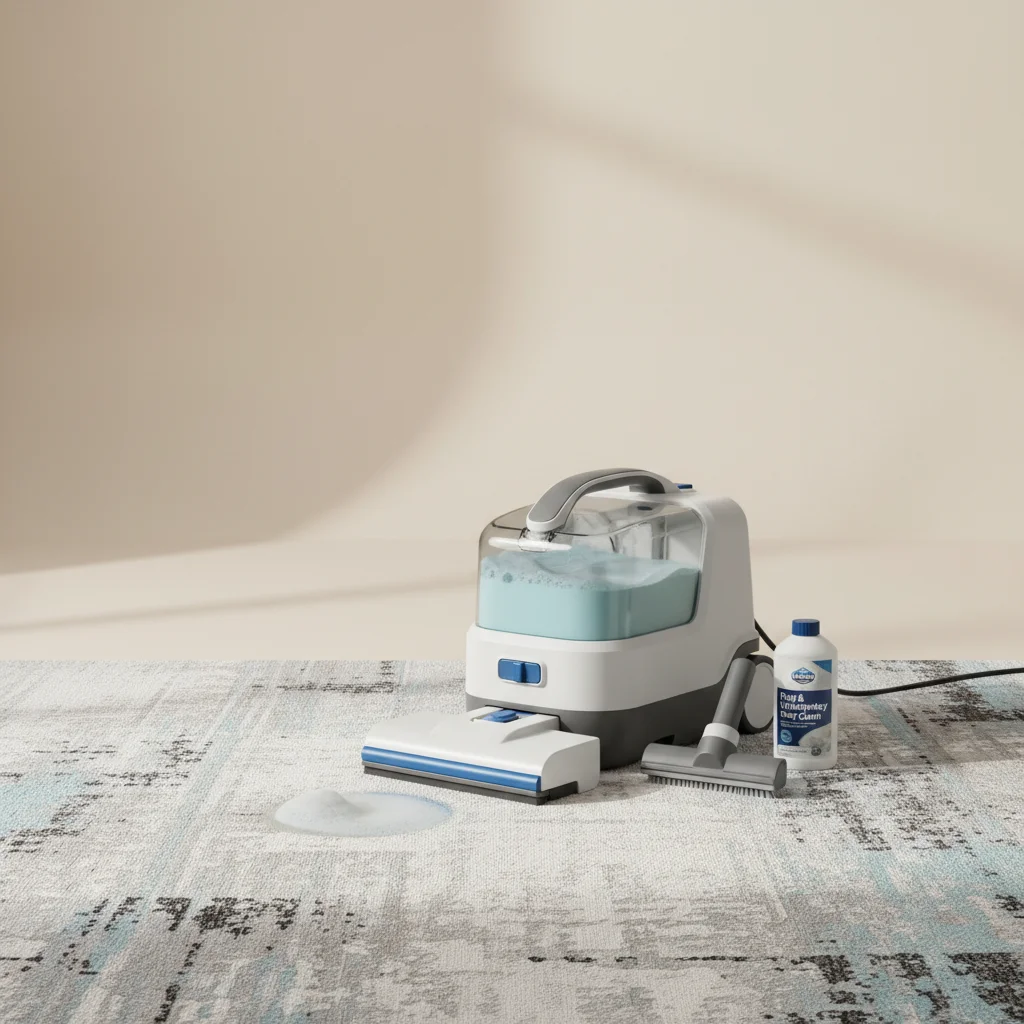
Using a carpet cleaner on area rugs can be safe and effective, provided you follow specific guidelines to prevent damage. The key is to understand your rug’s material and construction, as certain types, like delicate wool or silk, require professional cleaning or very gentle, specialized methods. For most synthetic or durable natural fiber rugs, a portable or upright carpet cleaner can remove dirt and stains efficiently, often achieving a deeper clean than vacuuming alone.
Understanding Your Area Rug’s Material
Before you even think about bringing out the carpet cleaner, identify the material of your area rug. Synthetic rugs, such as those made from nylon, polyester, or polypropylene, are generally robust and can withstand the moisture and agitation of most carpet cleaners. These materials are less prone to shrinking or color bleeding. In contrast, natural fibers like wool, cotton, silk, or jute are more delicate. Wool can shrink or felt if exposed to too much heat or aggressive scrubbing, while silk is highly susceptible to water damage and color run. Jute and sisal rugs can be very absorbent and may take a long time to dry, leading to mold or mildew if not properly managed. Always check the manufacturer’s care label for specific cleaning instructions. For more carpet cleaner guides on this site.
Choosing the Right Carpet Cleaner for Area Rugs
For area rugs, especially those that are not wall-to-wall, a portable spot cleaner is often the most practical choice. These compact machines offer excellent maneuverability and allow for targeted cleaning, reducing the risk of over-wetting the entire rug. Upright carpet cleaners can also be used, but you should ensure they have a setting for delicate surfaces or a handheld attachment for better control. Look for models with strong suction to minimize drying time, which is crucial for preventing mold and mildew. Consider the size of your rugs; a larger rug might benefit from an upright cleaner, while smaller ones are perfect for portable units.
Pre-Cleaning Steps and Spot Testing
|
Our Picks for the Best Carpet Cleaner in 2026
As an Amazon Associate I earn from qualifying purchases.
|
||
| Num | Product | Action |
|---|---|---|
| 1 | Vacmaster SCB301 400 Series Portable Carpet & Upholstery Spot Cleaner Machine, 15Kpa Power Suction with Versatile Tools for Pets, Area Rugs and Couches |

|
| 2 | Kenmore KW4010 Pet Portable Carpet Cleaner Machine with High Cleaning Power, 3.2L Clean Tank & 1.4L Dirty Tank, 25ft Cord Length and Two Easy Removable Brushroll for Rug & Upholstery |
|
| 3 | BISSELL Little Green Mini Portable Carpet and Upholstery Deep Cleaner, Car/Auto Detailer, with HydroRinse Self-Cleaning Tool and 4" Tough Stain Tool, Tea Green, 4075 |
|
| 4 | Hoover PowerDash Pet+ Compact Carpet Cleaner Machine, Lightweight Carpet Shampooer Machine, Pair with a Hoover Carpet Cleaner Solution for a Bright, Refreshed Home |
|
| 5 | Shark R-EX205 CarpetXpert Carpet, Area Rug & Upholstery Cleaner with StainStriker, Built-in Spot & Stain Cleaner, Teal - Certified , EX200 Series (Renewed) |
|
| 6 | Portable Carpet and Upholstery Cleaner, 15Kpa Spot Cleaner Machine for Pets, Furniture Cleaner for Sofa, Area Rugs, Couch and Car, Carpet Cleaning Machine with Dual Brush Heads & Self-Cleaning System |
|
| 7 | BISSELL® Little Green® Max Pet Portable Carpet and Upholstery Deep Cleaner, Car/Auto Detailer, with Self-Cleaning Tough Stain Tool and Pet Hair Removal Tool (3860) |
|
| 8 | Hoover PowerDash Pet Advanced Compact Carpet Cleaner Machine with Above Floor Cleaning, Lightweight Carpet Shampooer Machine, Pair with a Hoover Carpet Cleaner Solution for a Bright, Refreshed Home |
|
| 9 | Shark StainStriker Portable Carpet Upholstery & Area Rug Cleaner, Stain & Odor Remover, Perfect for Car Interiors, Nordic Blue, PX202BRN |
|
| 10 | BISSELL TurboClean Pet XL Upright Carpet Cleaner, Upholstery Tough Stain Tool & Formula included, 3746 |
|
Preparation is vital for a successful rug cleaning. First, thoroughly vacuum both sides of the area rug to remove loose dirt, dust, and debris. This prevents mud from forming when the cleaning solution is applied. Next, always perform a spot test in an inconspicuous area of the rug. Apply a small amount of your chosen cleaning solution and gently blot with a white cloth. Wait 15-30 minutes to check for any color bleeding, discoloration, or damage to the fibers. If the rug passes the spot test, you can proceed with confidence. If not, it’s best to consult a professional cleaner.
Effective Cleaning Techniques for Area Rugs
When cleaning, avoid over-wetting the rug. Excessive moisture can lead to prolonged drying times, potential mold growth, and damage to the rug’s backing. Work in small sections, applying the cleaning solution sparingly and following up immediately with the machine’s suction to extract as much moisture as possible. For delicate rugs, consider using only water or a very mild, pH-neutral cleaning solution. Always clean in the direction of the pile to prevent damage to the fibers. After cleaning, ensure adequate ventilation to help the rug dry completely. You can use fans or open windows to speed up the process. Avoid walking on the rug until it is fully dry to prevent re-soiling.
Post-Cleaning Care and Maintenance
Once your area rug is clean and dry, regular maintenance will help keep it looking its best. Vacuuming at least once a week, or more frequently in high-traffic areas, will prevent dirt and grit from embedding deep into the fibers. Promptly address spills and stains by blotting them immediately with a clean cloth. Consider rotating your rugs periodically to ensure even wear and exposure to sunlight, which can help prevent fading in one area. For very valuable or antique rugs, professional cleaning every 12-18 months is recommended to preserve their integrity and appearance.
- Always check the rug’s care label before cleaning.
- Test cleaning solutions in an inconspicuous area first.
- Avoid over-wetting the rug to prevent mold and damage.
- Ensure thorough drying with good ventilation.
- Vacuum regularly to maintain cleanliness and extend rug life.

I tried using my carpet cleaner on my cotton blend rug, and while it did get some of the surface dirt, I noticed a slight bit of color bleeding in one small area. It wasn’t major, but it definitely made me nervous. Next time, I think I’ll stick to a very gentle hand-cleaning method for anything that isn’t purely synthetic. It just wasn’t as straightforward as I hoped.
I’ve always just spot cleaned my area rugs, but my nylon rug was starting to look pretty dingy overall. I used my upright cleaner on it, following the advice about not oversaturating, and it made a huge difference. The colors are brighter, and it feels much cleaner. I’m impressed with how well it handled the general grime.
I was so nervous about cleaning my polypropylene rug with a machine, but after reading up on it, I decided to try. The portable carpet cleaner I have worked wonders! It really got out the ground-in dirt from my kids and pets that vacuuming just couldn’t touch. My rug looks almost new again, and I’m so glad I didn’t have to pay for a professional.
My polyester rug gets a lot of foot traffic, and I was constantly battling stains. I finally invested in a good carpet cleaner, and it’s been a game-changer. It’s so much more effective than just vacuuming, especially for those deeper stains. Knowing that synthetic rugs are generally robust gave me the confidence to really tackle those problem areas.