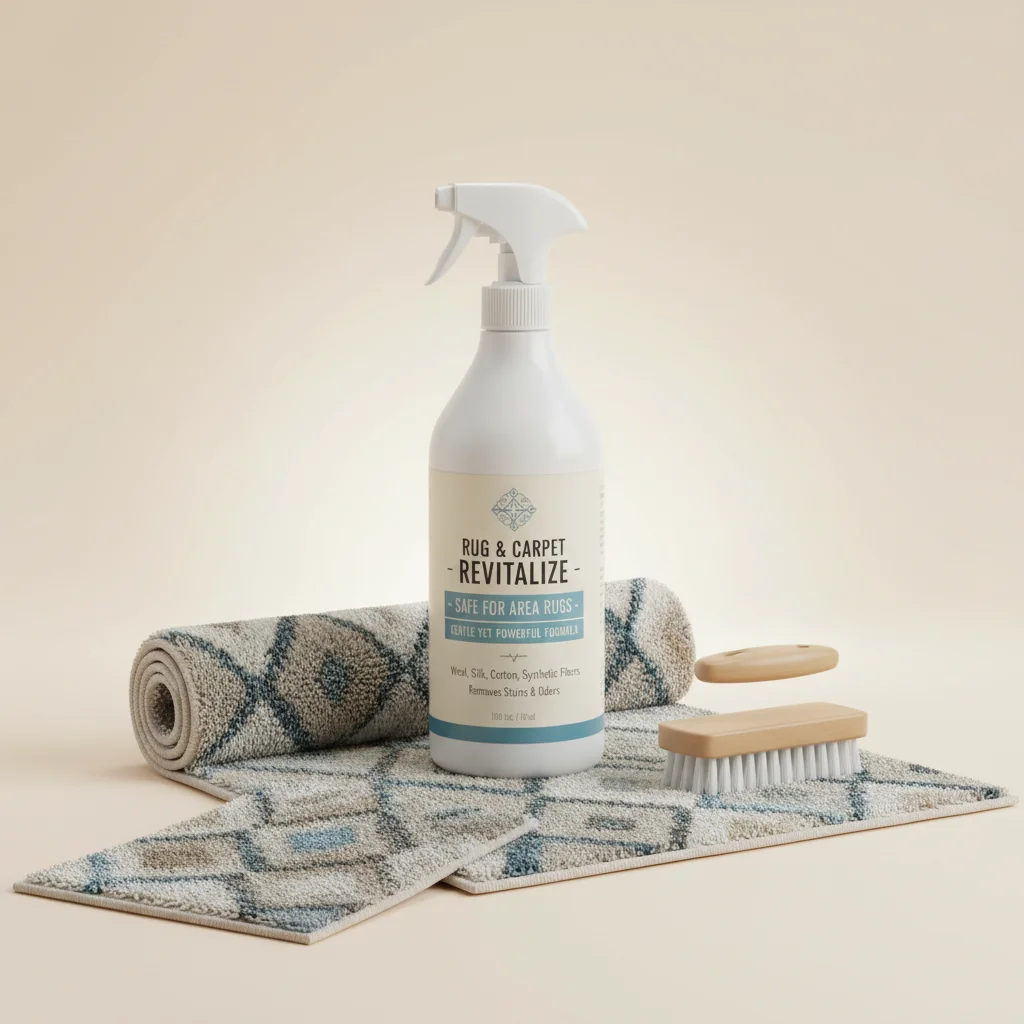
Using a carpet cleaner on area rugs can be safe, provided you follow specific guidelines to prevent damage. The key is to understand the rug’s material, construction, and dye stability. For most synthetic area rugs, a standard carpet cleaner is acceptable, but delicate materials like silk, wool, or antique rugs require a more cautious approach, often involving spot cleaning or professional services. Always perform a patch test in an inconspicuous area before full application to ensure no discoloration or damage occurs.
Understanding Area Rug Materials and Cleaning Needs
Area rugs come in a vast array of materials, each with unique cleaning requirements. Synthetic rugs, such as those made from nylon, polyester, or polypropylene, are generally durable and can withstand the moisture and agitation of a typical carpet cleaner. These materials are often colorfast and resistant to shrinking. However, natural fiber rugs like wool, cotton, jute, or sisal are more delicate. Wool, for instance, can shrink or felt if exposed to excessive heat or moisture, and its dyes may bleed. Silk rugs are particularly fragile and should almost always be professionally cleaned to avoid irreversible damage. For best carpet cleaner roundups on this site.
Pre-Cleaning Steps for Area Rugs
Before introducing any moisture, thoroughly vacuum your area rug to remove loose dirt, dust, and debris. This prevents the dirt from turning into mud during the cleaning process, which can make stains worse. Inspect the rug for any existing stains and pre-treat them with a suitable stain remover designed for the rug’s material. Always blot, never rub, to avoid spreading the stain or damaging the fibers. For natural fiber rugs, ensure the pre-treatment is pH-neutral to prevent discoloration.
Choosing the Right Carpet Cleaner and Solution
|
Our Picks for the Best Carpet Cleaner in 2026
As an Amazon Associate I earn from qualifying purchases.
|
||
| Num | Product | Action |
|---|---|---|
| 1 | BISSELL TurboClean Pet XL Upright Carpet Cleaner, Upholstery Tough Stain Tool & Formula included, 3746 |

|
| 2 | Portable Carpet and Upholstery Cleaner, 15Kpa Spot Cleaner Machine for Pets, Furniture Cleaner for Sofa, Area Rugs, Couch and Car, Carpet Cleaning Machine with Dual Brush Heads & Self-Cleaning System |
|
| 3 | Hoover PowerDash Pet Advanced Compact Carpet Cleaner Machine with Above Floor Cleaning, Lightweight Carpet Shampooer Machine, Pair with a Hoover Carpet Cleaner Solution for a Bright, Refreshed Home |
|
| 4 | Hoover PowerDash Pet+ Compact Carpet Cleaner Machine, Lightweight Carpet Shampooer Machine, Pair with a Hoover Carpet Cleaner Solution for a Bright, Refreshed Home |
|
| 5 | BISSELL Little Green Mini Portable Carpet and Upholstery Deep Cleaner, Car/Auto Detailer, with HydroRinse Self-Cleaning Tool and 4" Tough Stain Tool, Tea Green, 4075 |
|
| 6 | Shark R-EX205 CarpetXpert Carpet, Area Rug & Upholstery Cleaner with StainStriker, Built-in Spot & Stain Cleaner, Teal - Certified , EX200 Series (Renewed) |
|
| 7 | Shark StainStriker Portable Carpet Upholstery & Area Rug Cleaner, Stain & Odor Remover, Perfect for Car Interiors, Nordic Blue, PX202BRN |
|
| 8 | Kenmore KW4010 Pet Portable Carpet Cleaner Machine with High Cleaning Power, 3.2L Clean Tank & 1.4L Dirty Tank, 25ft Cord Length and Two Easy Removable Brushroll for Rug & Upholstery |
|
| 9 | BISSELL® Little Green® Max Pet Portable Carpet and Upholstery Deep Cleaner, Car/Auto Detailer, with Self-Cleaning Tough Stain Tool and Pet Hair Removal Tool (3860) |
|
| 10 | Vacmaster SCB301 400 Series Portable Carpet & Upholstery Spot Cleaner Machine, 15Kpa Power Suction with Versatile Tools for Pets, Area Rugs and Couches |
|
When selecting a carpet cleaner for area rugs, consider models with adjustable settings for water pressure and brush agitation. A machine with a handheld attachment is ideal for targeting specific areas and controlling moisture levels. For cleaning solutions, opt for formulas specifically designed for area rugs or those labeled as safe for delicate fibers. Avoid harsh chemicals, bleach, or detergents not intended for carpet cleaning, as these can strip natural oils, damage dyes, or leave sticky residues that attract more dirt. Always dilute the cleaning solution according to the manufacturer’s instructions.
- Check the rug’s care label for specific cleaning instructions.
- Perform a colorfastness test on an inconspicuous area.
- Use a low-moisture setting if available on your cleaner.
- Avoid over-saturating the rug to prevent mold and mildew.
- Ensure proper ventilation for quick drying.
The Cleaning Process and Drying Tips
When cleaning, work in small sections, overlapping your passes slightly. Avoid over-saturating the rug, as excessive moisture can lead to mildew, odor, and damage to the rug’s backing. For delicate rugs, consider using only the suction function after applying a minimal amount of solution by hand. After cleaning, use the carpet cleaner’s suction-only mode to extract as much water as possible. Proper drying is crucial to prevent mold and mildew. Elevate the rug if possible, and ensure good air circulation by opening windows or using fans. Avoid direct sunlight, which can fade colors, and do not place furniture back on the rug until it is completely dry, which can take 12-24 hours.
When to Call a Professional
While many area rugs can be safely cleaned at home, there are instances when professional cleaning is the best option. If your rug is an antique, made of delicate materials like silk or hand-knotted wool, or if it has significant value, a professional cleaner with expertise in rug care is recommended. Professionals have specialized equipment and knowledge to handle various rug types without causing damage, ensuring a thorough and safe cleaning process.For everyday synthetic rugs, a home carpet cleaner can be a cost-effective solution.
