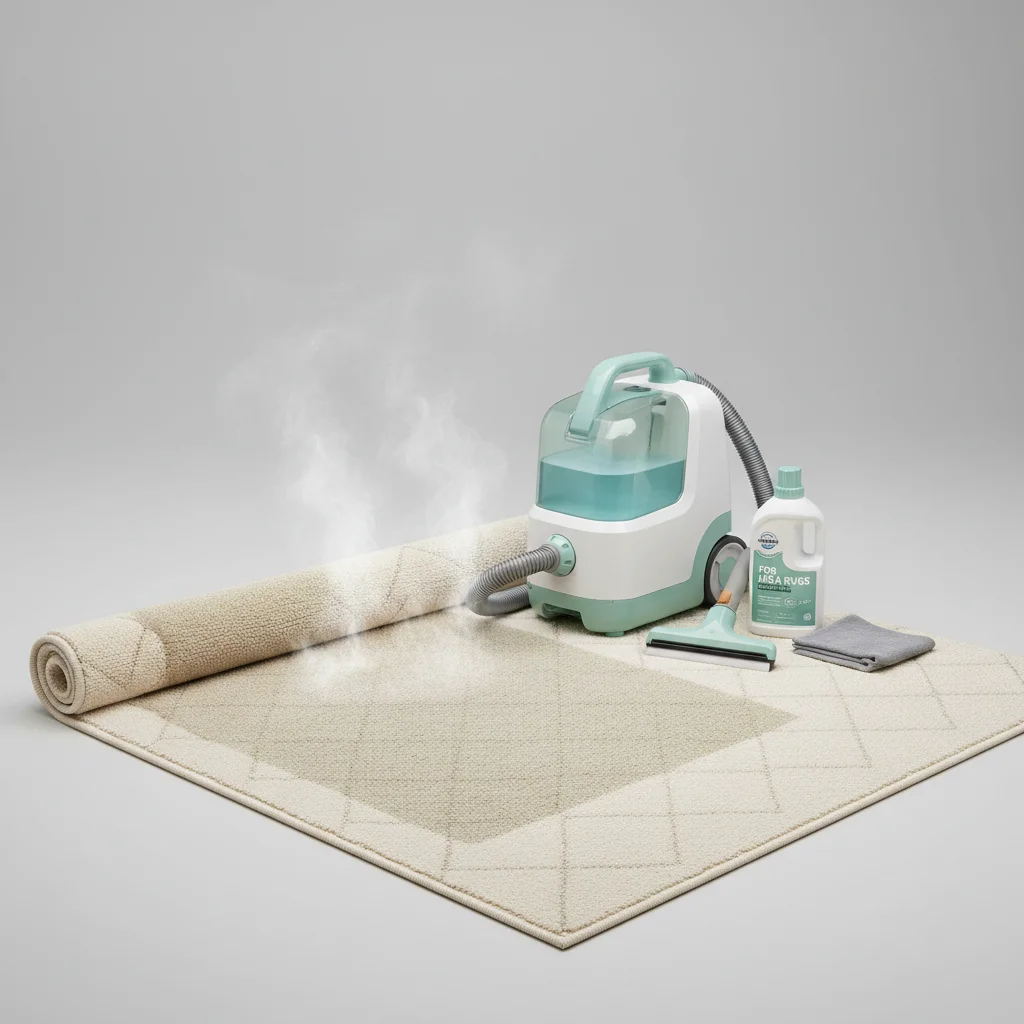
Using a carpet cleaner on area rugs can be safe, provided you take specific precautions and understand the rug’s material and construction. While many modern carpet cleaners are designed to be gentle, certain rug types, particularly delicate or antique ones, require a more cautious approach. Generally, synthetic area rugs like nylon or polypropylene can withstand machine cleaning well, whereas natural fibers such as wool, silk, or jute demand specialized care to prevent damage like shrinking, color bleeding, or fiber distortion.
Understanding Your Area Rug’s Material
Before applying any cleaning solution or machine, it is crucial to identify the material of your area rug. Most rugs have a care tag on the back that specifies the fiber content and recommended cleaning methods. Synthetic rugs, including those made from polyester, nylon, or olefin, are generally more durable and water-resistant, making them suitable for most carpet cleaning machines. These materials are less prone to shrinking or color bleeding. In contrast, natural fiber rugs like wool, cotton, silk, or jute are more delicate. Wool rugs, for instance, can shrink or felt if exposed to excessive heat or harsh chemicals. Silk rugs are particularly fragile and can be easily damaged by water, often requiring professional dry cleaning. Jute and sisal rugs, being plant-based, can be prone to water stains and mildew if not dried quickly and thoroughly.
Pre-Cleaning Steps and Spot Testing
Regardless of the rug material, always begin with thorough vacuuming to remove loose dirt and debris. This prevents mud from forming when water is introduced and improves the overall cleaning effectiveness. A critical step before full-scale cleaning is to perform a spot test in an inconspicuous area of the rug. Apply a small amount of your chosen carpet cleaner solution to a hidden section and let it sit for a few minutes. Blot it with a clean white cloth to check for any color transfer or adverse reactions. If the cloth shows dye, or if the rug material appears damaged, do not proceed with that cleaner or method. This simple test can save your rug from irreversible damage. For natural fiber rugs, consider using a pH-neutral cleaner specifically formulated for delicate materials.
Choosing the Right Carpet Cleaner and Solution
|
Our Picks for the Best Carpet Cleaner in 2026
As an Amazon Associate I earn from qualifying purchases.
|
||
| Num | Product | Action |
|---|---|---|
| 1 | Kenmore KW4010 Pet Portable Carpet Cleaner Machine with High Cleaning Power, 3.2L Clean Tank & 1.4L Dirty Tank, 25ft Cord Length and Two Easy Removable Brushroll for Rug & Upholstery |

|
| 2 | Hoover PowerDash Pet Advanced Compact Carpet Cleaner Machine with Above Floor Cleaning, Lightweight Carpet Shampooer Machine, Pair with a Hoover Carpet Cleaner Solution for a Bright, Refreshed Home |
|
| 3 | Shark R-EX205 CarpetXpert Carpet, Area Rug & Upholstery Cleaner with StainStriker, Built-in Spot & Stain Cleaner, Teal - Certified , EX200 Series (Renewed) |
|
| 4 | Hoover PowerDash Pet+ Compact Carpet Cleaner Machine, Lightweight Carpet Shampooer Machine, Pair with a Hoover Carpet Cleaner Solution for a Bright, Refreshed Home |
|
| 5 | Shark StainStriker Portable Carpet Upholstery & Area Rug Cleaner, Stain & Odor Remover, Perfect for Car Interiors, Nordic Blue, PX202BRN |
|
| 6 | BISSELL Little Green Mini Portable Carpet and Upholstery Deep Cleaner, Car/Auto Detailer, with HydroRinse Self-Cleaning Tool and 4" Tough Stain Tool, Tea Green, 4075 |
|
| 7 | Vacmaster SCB301 400 Series Portable Carpet & Upholstery Spot Cleaner Machine, 15Kpa Power Suction with Versatile Tools for Pets, Area Rugs and Couches |
|
| 8 | Portable Carpet and Upholstery Cleaner, 15Kpa Spot Cleaner Machine for Pets, Furniture Cleaner for Sofa, Area Rugs, Couch and Car, Carpet Cleaning Machine with Dual Brush Heads & Self-Cleaning System |
|
| 9 | BISSELL® Little Green® Max Pet Portable Carpet and Upholstery Deep Cleaner, Car/Auto Detailer, with Self-Cleaning Tough Stain Tool and Pet Hair Removal Tool (3860) |
|
| 10 | BISSELL TurboClean Pet XL Upright Carpet Cleaner, Upholstery Tough Stain Tool & Formula included, 3746 |
|
The type of carpet cleaner you use significantly impacts the safety and effectiveness on area rugs. For most synthetic rugs, a standard upright or portable carpet cleaner with a gentle brush setting is usually appropriate. However, for natural fibers, a machine with a ‘rug’ or ‘delicate’ setting, or one that allows for minimal water extraction, is preferable. Avoid machines that use excessive heat, as this can be detrimental to wool and other natural fibers. When it comes to cleaning solutions, always opt for formulas designed for the specific rug material. Many manufacturers offer specialized solutions for wool or pet stains that are gentler. Avoid harsh chemicals, bleach, or strong detergents, as these can strip natural oils, cause discoloration, or weaken fibers.
Proper Cleaning Technique and Drying
When cleaning, work in small sections, overlapping slightly to ensure even coverage. Avoid oversaturating the rug, as excessive moisture can lead to mildew growth, damage the rug’s backing, and prolong drying times. For natural fiber rugs, use the lowest moisture setting available on your machine. After cleaning, thorough drying is paramount. Use a fan, open windows, or a dehumidifier to accelerate the drying process. Never leave a wet rug to air dry in a poorly ventilated area, as this significantly increases the risk of mold and mildew. If possible, elevate the rug slightly to allow air circulation on both sides. Ensure the rug is completely dry before placing it back in its original position or walking on it.
When to Consider Professional Cleaning
While DIY cleaning can be effective for many area rugs, there are instances when professional cleaning is the safest and most effective option. Consider professional services for:
- Antique or heirloom rugs
- Rugs made of delicate materials like silk, viscose, or hand-knotted wool
- Rugs with significant or stubborn stains that home cleaners cannot remove
- Rugs that have experienced water damage or extensive mold growth
- Large or heavy rugs that are difficult to handle and dry at home
Professionals have specialized equipment and knowledge to clean delicate fibers without causing damage, ensuring your valuable area rugs are preserved and thoroughly cleaned.
