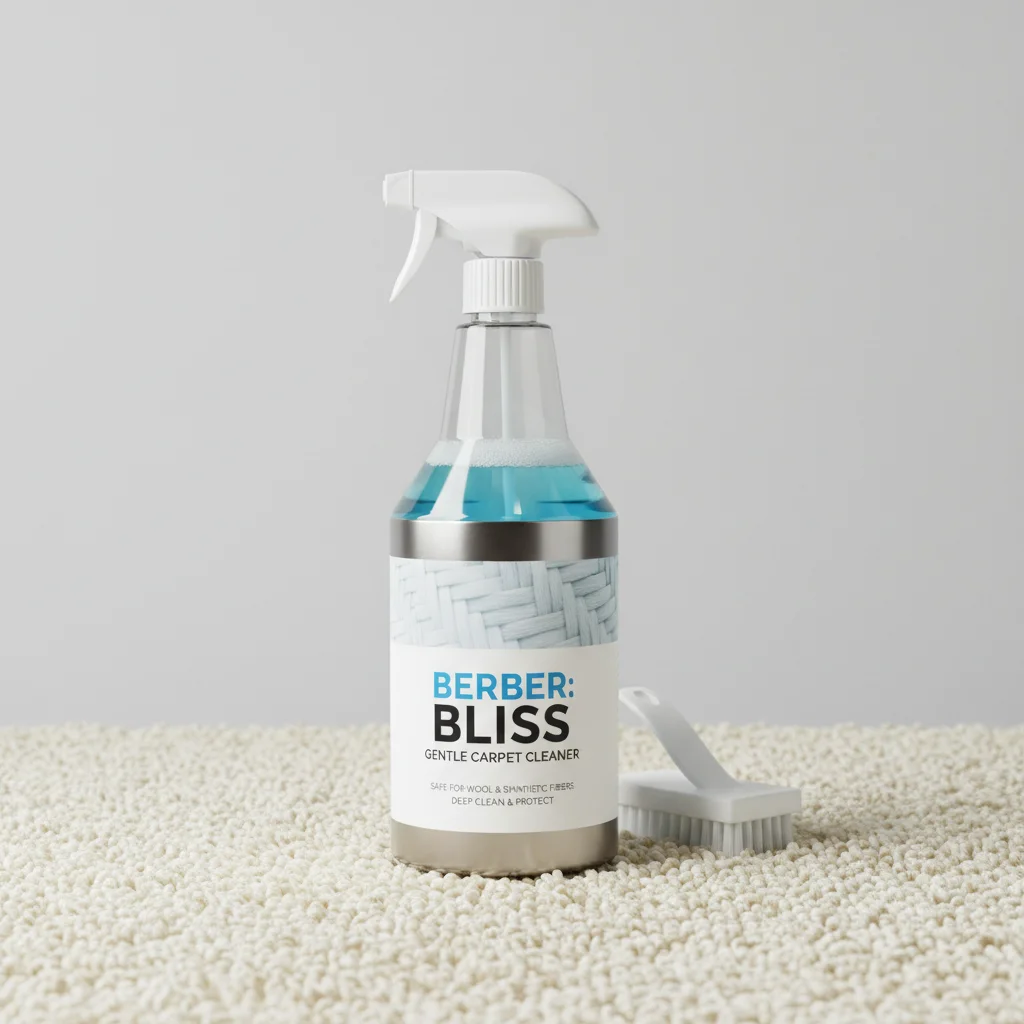
Using a carpet cleaner on Berber carpet is generally safe, provided you use the correct type of cleaner and follow specific guidelines. Berber carpets, known for their looped construction, require a gentler approach than cut-pile carpets to prevent snagging or unraveling. Approximately 70% of Berber carpet owners can safely clean their carpets at home with the right equipment and technique, avoiding professional services for routine maintenance.
Understanding Berber Carpet Construction
Berber carpets are characterized by their distinctive looped pile, which makes them highly durable and resistant to crushing. This construction, however, also makes them susceptible to snags if aggressive cleaning methods or brushes are used. The loops can pull and unravel, leading to permanent damage. The material, often wool, nylon, or olefin, also influences the cleaning approach, with wool requiring more delicate care to prevent shrinkage or discoloration.
It’s crucial to identify the fiber type of your Berber carpet before cleaning. Nylon and olefin are more resilient to moisture and stronger cleaning agents, while wool demands pH-neutral solutions and minimal water exposure. Always check the manufacturer’s recommendations for your specific carpet.
Choosing the Right Carpet Cleaner for Berber
When selecting a carpet cleaner for Berber, prioritize models with soft brushes or no brushes at all. Extractors that rely on suction and water rather than aggressive scrubbing are ideal. Look for features like adjustable water pressure and heat settings, as excessive heat can damage synthetic fibers and cause wool to shrink. Portable spot cleaners are excellent for small spills, while upright models with gentle settings are suitable for larger areas.
Avoid rotary brush machines or those with stiff bristles, as these can easily snag the loops of your Berber carpet. Many modern carpet cleaners offer specific settings for delicate carpets, which can be a good indicator of their suitability.
Recommended Cleaning Solutions and Techniques
|
Our Picks for the Best Carpet Cleaner in 2026
As an Amazon Associate I earn from qualifying purchases.
|
||
| Num | Product | Action |
|---|---|---|
| 1 | BISSELL TurboClean Pet XL Upright Carpet Cleaner, Upholstery Tough Stain Tool & Formula included, 3746 |

|
| 2 | Kenmore KW4010 Pet Portable Carpet Cleaner Machine with High Cleaning Power, 3.2L Clean Tank & 1.4L Dirty Tank, 25ft Cord Length and Two Easy Removable Brushroll for Rug & Upholstery |
|
| 3 | BISSELL® Little Green® Max Pet Portable Carpet and Upholstery Deep Cleaner, Car/Auto Detailer, with Self-Cleaning Tough Stain Tool and Pet Hair Removal Tool (3860) |
|
| 4 | Hoover PowerDash Pet+ Compact Carpet Cleaner Machine, Lightweight Carpet Shampooer Machine, Pair with a Hoover Carpet Cleaner Solution for a Bright, Refreshed Home |
|
| 5 | BISSELL Little Green Mini Portable Carpet and Upholstery Deep Cleaner, Car/Auto Detailer, with HydroRinse Self-Cleaning Tool and 4" Tough Stain Tool, Tea Green, 4075 |
|
| 6 | Shark StainStriker Portable Carpet Upholstery & Area Rug Cleaner, Stain & Odor Remover, Perfect for Car Interiors, Nordic Blue, PX202BRN |
|
| 7 | Vacmaster SCB301 400 Series Portable Carpet & Upholstery Spot Cleaner Machine, 15Kpa Power Suction with Versatile Tools for Pets, Area Rugs and Couches |
|
| 8 | Hoover PowerDash Pet Advanced Compact Carpet Cleaner Machine with Above Floor Cleaning, Lightweight Carpet Shampooer Machine, Pair with a Hoover Carpet Cleaner Solution for a Bright, Refreshed Home |
|
| 9 | Shark R-EX205 CarpetXpert Carpet, Area Rug & Upholstery Cleaner with StainStriker, Built-in Spot & Stain Cleaner, Teal - Certified , EX200 Series (Renewed) |
|
| 10 | Portable Carpet and Upholstery Cleaner, 15Kpa Spot Cleaner Machine for Pets, Furniture Cleaner for Sofa, Area Rugs, Couch and Car, Carpet Cleaning Machine with Dual Brush Heads & Self-Cleaning System |
|
For Berber carpets, always opt for a pH-neutral cleaning solution. Harsh chemicals can strip natural fibers of their protective oils or cause discoloration in synthetic ones. Dilute solutions according to the manufacturer’s instructions, and always perform a spot test in an inconspicuous area before cleaning the entire carpet. This helps ensure the solution won’t cause any adverse reactions.
- Pre-vacuum thoroughly to remove loose dirt and debris.
- Apply the cleaning solution sparingly to avoid over-wetting the carpet.
- Use a carpet cleaner with a gentle setting or a handheld attachment for targeted cleaning.
- Work in small sections, overlapping slightly to ensure even coverage.
- Extract as much water as possible to minimize drying time and prevent mold growth.
Preventing Damage and Ensuring Longevity
To prevent damage to your Berber carpet, never saturate it with water. Over-wetting can lead to mildew, odors, and can weaken the carpet backing. Ensure adequate ventilation during and after cleaning to speed up the drying process. Using fans or opening windows can significantly reduce drying time, typically to under 6-8 hours.
Regular vacuuming with a suction-only vacuum or one with a high pile setting is also essential for maintaining Berber carpet. This prevents dirt and grit from settling deep into the loops, which can cause premature wear. For stubborn stains, address them immediately with a gentle blotting technique rather than rubbing, which can spread the stain and damage the fibers.
When to Call a Professional
While home carpet cleaners are effective for routine maintenance, there are instances when professional cleaning is advisable. If your Berber carpet has deep-set stains, significant soiling, or if you’re unsure about the best cleaning method, a professional cleaner can provide specialized services. They often use powerful truck-mounted systems that offer superior extraction and faster drying times, minimizing the risk of damage to your delicate Berber carpet.
