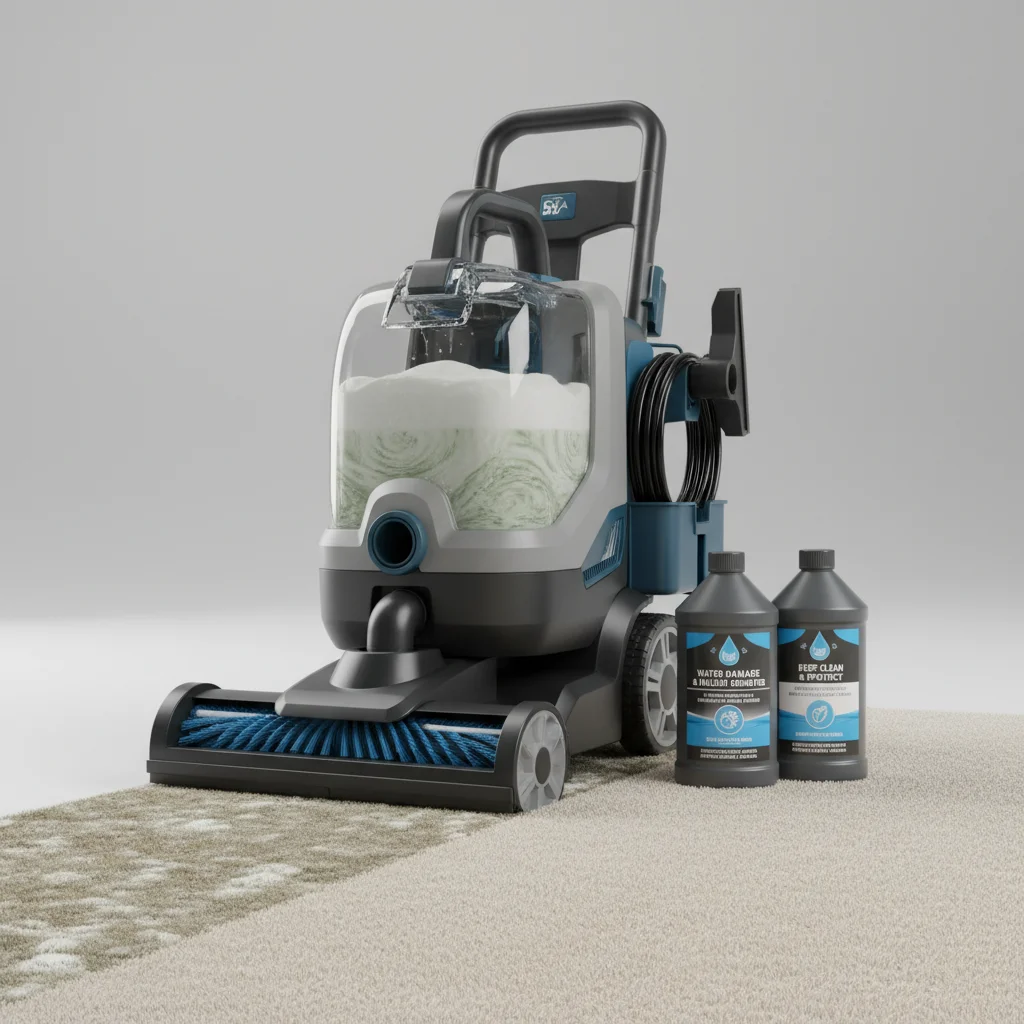
When dealing with water damage, a carpet cleaner can be a valuable tool for initial moisture extraction, but it cannot fully remove established mildew. While a carpet cleaner can extract surface water and some embedded moisture, mildew requires a more comprehensive treatment involving specialized fungicides and thorough drying to prevent recurrence. For significant water damage or visible mildew, professional remediation is often necessary to ensure complete removal and prevent health risks.
Understanding Water Damage and Mildew Growth
Water damage in carpets creates an ideal environment for mildew and mold to thrive. Mildew, a surface-level fungus, typically appears as a powdery or downy growth and often has a musty odor. It can begin to form within 24-48 hours of water exposure if the carpet remains damp. A standard carpet cleaner’s primary function is to inject a cleaning solution and then extract it, along with dirt and some moisture. This extraction process is effective for removing standing water and reducing the overall dampness, which can slow down mildew growth. However, the spores and hyphae of mildew can penetrate deep into carpet fibers and padding, making complete removal with a consumer-grade carpet cleaner challenging. For see our carpet cleaner recommendations on this site.
Limitations of Carpet Cleaners for Mildew Removal
While a carpet cleaner can help with the initial cleanup of water damage, it has significant limitations when it comes to mildew. The cleaning solutions used in most carpet cleaners are designed for dirt and stains, not for killing fungi. Even if a cleaner has a ‘sanitizing’ function, it may not be potent enough to eradicate deeply embedded mildew spores. Furthermore, if the carpet padding or subfloor has absorbed water, a carpet cleaner cannot reach these areas effectively, leaving a source for mildew to regrow. In such cases, the carpet and padding may need to be lifted, dried, and treated separately, or even replaced.
- Carpet cleaners extract surface moisture, not deep-seated water.
- Standard cleaning solutions are not fungicides.
- Mildew spores can remain in padding and subfloor.
- Inadequate drying can lead to rapid mildew recurrence.
- Professional assessment is crucial for extensive damage.
When to Use a Carpet Cleaner After Water Damage
|
Our Picks for the Best Carpet Cleaner in 2026
As an Amazon Associate I earn from qualifying purchases.
|
||
| Num | Product | Action |
|---|---|---|
| 1 | Vacmaster SCB301 400 Series Portable Carpet & Upholstery Spot Cleaner Machine, 15Kpa Power Suction with Versatile Tools for Pets, Area Rugs and Couches |

|
| 2 | BISSELL Little Green Mini Portable Carpet and Upholstery Deep Cleaner, Car/Auto Detailer, with HydroRinse Self-Cleaning Tool and 4" Tough Stain Tool, Tea Green, 4075 |
|
| 3 | Hoover PowerDash Pet+ Compact Carpet Cleaner Machine, Lightweight Carpet Shampooer Machine, Pair with a Hoover Carpet Cleaner Solution for a Bright, Refreshed Home |
|
| 4 | BISSELL TurboClean Pet XL Upright Carpet Cleaner, Upholstery Tough Stain Tool & Formula included, 3746 |
|
| 5 | Hoover PowerDash Pet Advanced Compact Carpet Cleaner Machine with Above Floor Cleaning, Lightweight Carpet Shampooer Machine, Pair with a Hoover Carpet Cleaner Solution for a Bright, Refreshed Home |
|
| 6 | BISSELL® Little Green® Max Pet Portable Carpet and Upholstery Deep Cleaner, Car/Auto Detailer, with Self-Cleaning Tough Stain Tool and Pet Hair Removal Tool (3860) |
|
| 7 | Portable Carpet and Upholstery Cleaner, 15Kpa Spot Cleaner Machine for Pets, Furniture Cleaner for Sofa, Area Rugs, Couch and Car, Carpet Cleaning Machine with Dual Brush Heads & Self-Cleaning System |
|
| 8 | Shark StainStriker Portable Carpet Upholstery & Area Rug Cleaner, Stain & Odor Remover, Perfect for Car Interiors, Nordic Blue, PX202BRN |
|
| 9 | Kenmore KW4010 Pet Portable Carpet Cleaner Machine with High Cleaning Power, 3.2L Clean Tank & 1.4L Dirty Tank, 25ft Cord Length and Two Easy Removable Brushroll for Rug & Upholstery |
|
| 10 | Shark R-EX205 CarpetXpert Carpet, Area Rug & Upholstery Cleaner with StainStriker, Built-in Spot & Stain Cleaner, Teal - Certified , EX200 Series (Renewed) |
|
A carpet cleaner is most effective immediately after a minor water spill or leak, before mildew has a chance to establish itself. Use it to quickly extract as much water as possible from the affected area. For best results, use a powerful extraction model and go over the area multiple times. Follow up with thorough drying using fans, dehumidifiers, and open windows to ensure the carpet and underlying materials are completely dry within 24-48 hours. This proactive approach can significantly reduce the risk of mildew formation.For larger areas or prolonged dampness, consider renting a commercial-grade water extractor for more powerful suction.
Steps for Addressing Minor Water Damage and Preventing Mildew
If you’re dealing with minor water damage and want to prevent mildew, act quickly. First, remove all furniture and items from the wet area. Use your carpet cleaner to extract as much water as possible, making multiple passes. After extraction, apply a mild antimicrobial spray specifically designed for carpets, ensuring it’s safe for your carpet type. Then, focus on drying the area completely. Place fans directly on the wet carpet, use a dehumidifier, and ensure good air circulation. Monitor the area for several days to ensure no musty odors or visible mildew appear. If they do, it’s time to call a professional.
Professional Remediation for Severe Water Damage and Mildew
For severe water damage, such as flooding, or if mildew is already visible and widespread, professional remediation is essential. Professionals have specialized equipment like industrial-strength extractors, dehumidifiers, and air movers that can dry out a property much more effectively and quickly than consumer-grade machines. They also use powerful fungicides and have the expertise to safely remove and dispose of contaminated materials, preventing further spread and ensuring a healthy indoor environment. Attempting to tackle extensive mildew on your own can lead to incomplete removal and potential health issues.
