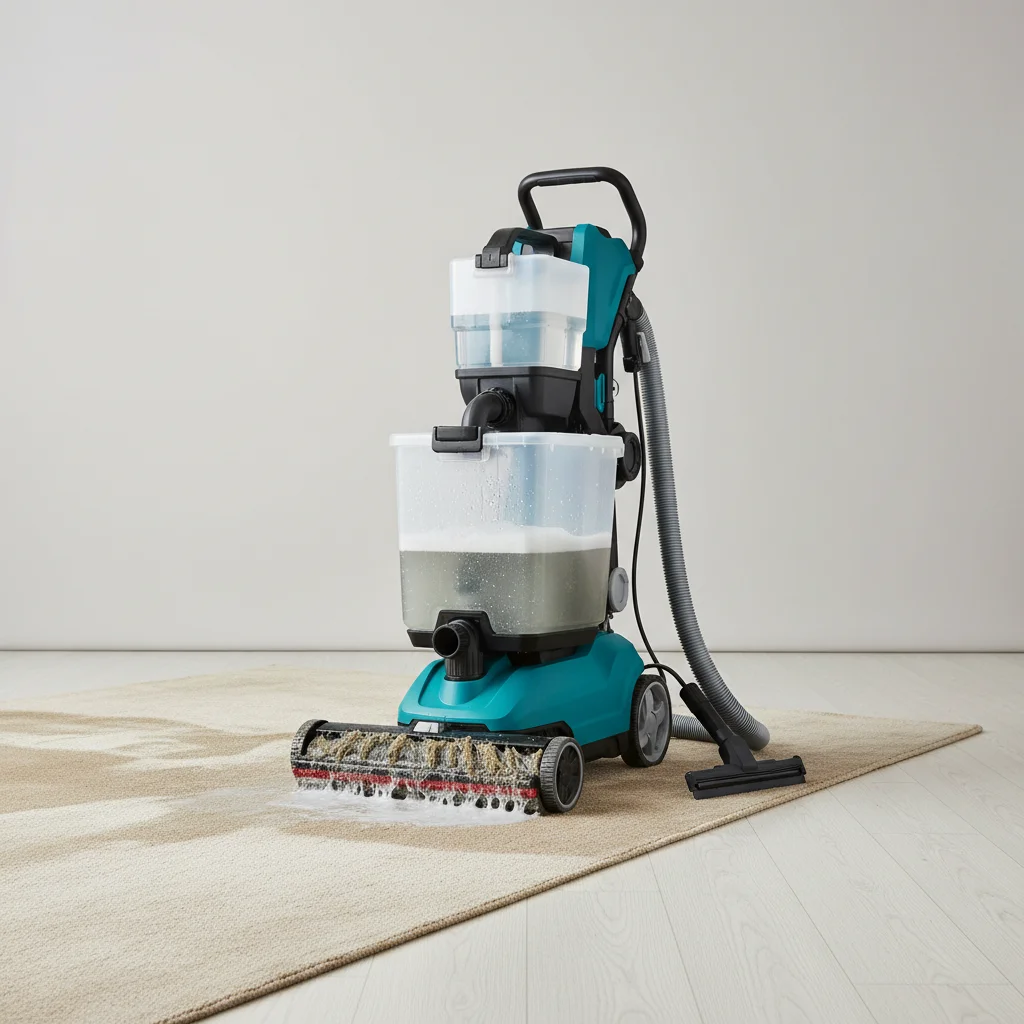
When facing water damage, a carpet cleaner can be a crucial tool for mitigating the impact, but its effectiveness depends on the severity and type of water damage. For minor spills or surface moisture, a carpet cleaner can effectively extract water and prevent mold growth. However, for extensive flooding or contaminated water, professional restoration services are typically required.
Understanding Water Damage Categories
Water damage is categorized into three types, each dictating the appropriate response. Category 1 involves clean water from sources like overflowing sinks or rain, posing minimal health risks. Category 2, or grey water, contains contaminants like detergents or urine, requiring more caution. Category 3, black water, is highly unsanitary, originating from sewage or natural disasters, and demands professional handling due to severe health risks.
When a Carpet Cleaner is Effective
A carpet cleaner is most effective for Category 1 water damage, especially when addressed promptly. It can extract surface water, reducing drying time and inhibiting mold and mildew formation. For small, localized spills, a powerful carpet cleaner can prevent water from seeping deep into the carpet padding and subfloor. Using a machine with strong suction and a heated drying function will yield the best results.
- Quickly extract surface water from minor spills.
- Reduce drying time for damp carpets.
- Help prevent mold and mildew growth in early stages.
- Ideal for clean water incidents like overflowing bathtubs.
- Can be used for spot treatment on small, contained areas.
Limitations and Risks
|
Our Picks for the Best Carpet Cleaner in 2026
As an Amazon Associate I earn from qualifying purchases.
|
||
| Num | Product | Action |
|---|---|---|
| 1 | Shark R-EX205 CarpetXpert Carpet, Area Rug & Upholstery Cleaner with StainStriker, Built-in Spot & Stain Cleaner, Teal - Certified , EX200 Series (Renewed) |

|
| 2 | BISSELL Little Green Mini Portable Carpet and Upholstery Deep Cleaner, Car/Auto Detailer, with HydroRinse Self-Cleaning Tool and 4" Tough Stain Tool, Tea Green, 4075 |
|
| 3 | Shark StainStriker Portable Carpet Upholstery & Area Rug Cleaner, Stain & Odor Remover, Perfect for Car Interiors, Nordic Blue, PX202BRN |
|
| 4 | Vacmaster SCB301 400 Series Portable Carpet & Upholstery Spot Cleaner Machine, 15Kpa Power Suction with Versatile Tools for Pets, Area Rugs and Couches |
|
| 5 | BISSELL TurboClean Pet XL Upright Carpet Cleaner, Upholstery Tough Stain Tool & Formula included, 3746 |
|
| 6 | Kenmore KW4010 Pet Portable Carpet Cleaner Machine with High Cleaning Power, 3.2L Clean Tank & 1.4L Dirty Tank, 25ft Cord Length and Two Easy Removable Brushroll for Rug & Upholstery |
|
| 7 | Portable Carpet and Upholstery Cleaner, 15Kpa Spot Cleaner Machine for Pets, Furniture Cleaner for Sofa, Area Rugs, Couch and Car, Carpet Cleaning Machine with Dual Brush Heads & Self-Cleaning System |
|
| 8 | Hoover PowerDash Pet+ Compact Carpet Cleaner Machine, Lightweight Carpet Shampooer Machine, Pair with a Hoover Carpet Cleaner Solution for a Bright, Refreshed Home |
|
| 9 | Hoover PowerDash Pet Advanced Compact Carpet Cleaner Machine with Above Floor Cleaning, Lightweight Carpet Shampooer Machine, Pair with a Hoover Carpet Cleaner Solution for a Bright, Refreshed Home |
|
| 10 | BISSELL® Little Green® Max Pet Portable Carpet and Upholstery Deep Cleaner, Car/Auto Detailer, with Self-Cleaning Tough Stain Tool and Pet Hair Removal Tool (3860) |
|
While useful, a carpet cleaner has limitations. It cannot effectively remove large volumes of water from saturated carpets or padding. Attempting to clean Category 2 or 3 water damage with a standard carpet cleaner can spread contaminants and pose health risks. Furthermore, if water has penetrated the subfloor, a carpet cleaner will not be sufficient to dry the underlying structure, potentially leading to long-term issues like structural damage or persistent mold.
Steps for Using a Carpet Cleaner on Water Damage
If you’re dealing with minor, clean water damage, start by removing any standing water manually. Then, use your carpet cleaner with a water extraction setting, making multiple passes over the affected area. Ensure proper ventilation by opening windows or using fans to aid in drying. Consider using a dehumidifier to remove airborne moisture. Monitor the carpet and padding for several days to ensure complete dryness and prevent mold growth.
When to Call Professionals
For significant water damage, especially from Category 2 or 3 sources, or if the water has been present for more than 24-48 hours, it’s crucial to contact professional water damage restoration services. Professionals have specialized equipment for deep extraction, drying, and sanitization, ensuring thorough remediation and preventing long-term problems. They can also assess structural damage and address potential electrical hazards.
