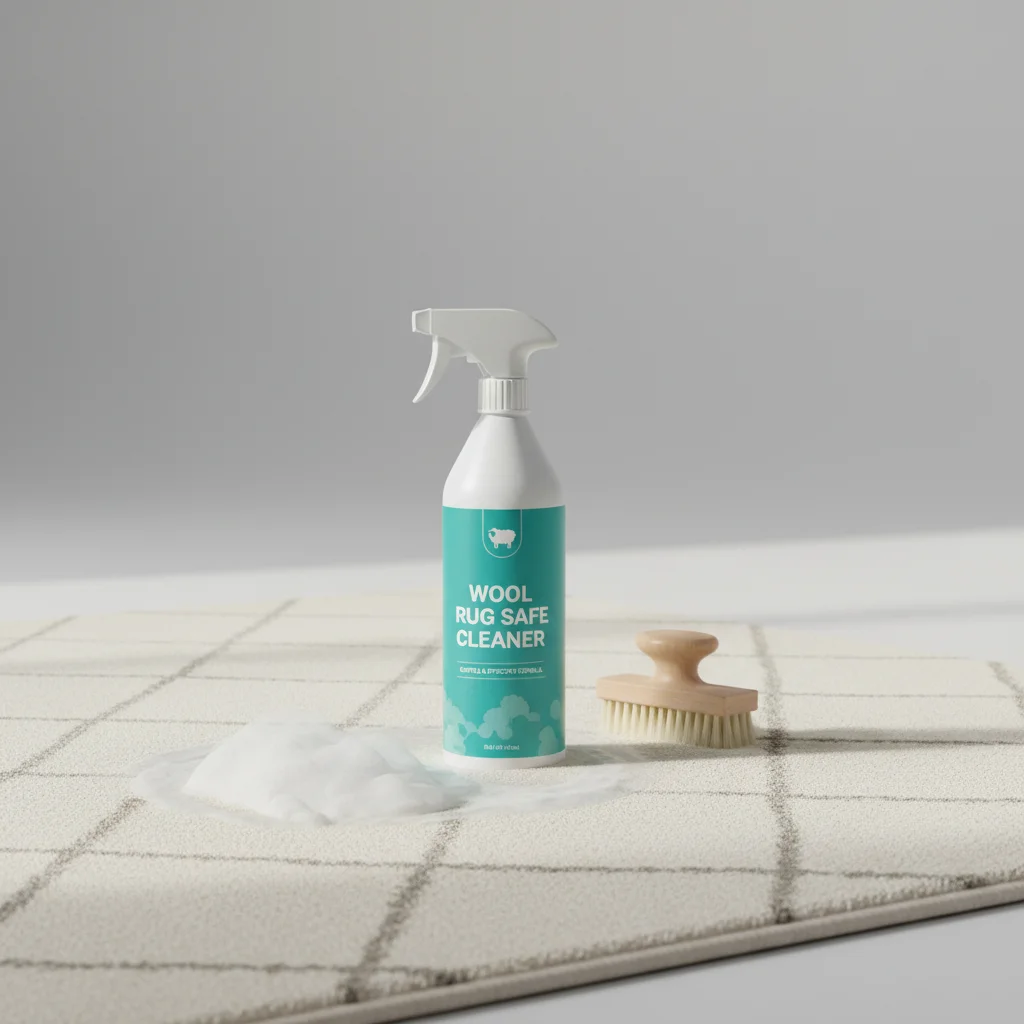
Using a carpet cleaner on wool rugs requires careful consideration to prevent damage. While many modern carpet cleaners can be adapted for wool, it’s generally safe to use them if you follow specific guidelines, primarily focusing on low moisture and appropriate cleaning solutions. Improper use can lead to shrinkage, discoloration, or damage to the natural fibers. Always check the rug’s care label and perform a patch test before a full cleaning.
Understanding Wool Rugs and Moisture Sensitivity
Wool is a natural fiber known for its durability and luxurious feel, but it is also highly susceptible to damage from excessive moisture and harsh chemicals. Unlike synthetic fibers, wool can shrink or felt when exposed to too much water or high temperatures. This is why traditional steam cleaning, which uses high heat and significant water, is often not recommended for wool rugs. The key to safely cleaning wool with a carpet cleaner is to minimize water usage and ensure rapid drying. For more carpet cleaner guides on this site.
Furthermore, wool’s natural lanolin can be stripped by strong alkaline detergents, leading to a dull appearance and reduced stain resistance. Opting for pH-neutral or slightly acidic cleaning solutions specifically designed for wool is crucial. Always dilute solutions according to the manufacturer’s instructions and avoid over-saturating the rug during the cleaning process.
Choosing the Right Carpet Cleaner and Solution
When selecting a carpet cleaner for wool rugs, look for models with adjustable suction power and a low-moisture setting. Many portable spot cleaners or machines with a ‘dry’ or ‘quick dry’ mode are ideal. These features allow you to control the amount of water applied and extracted, reducing the risk of over-wetting. Avoid machines that rely solely on hot steam, as this can be detrimental to wool fibers.
For cleaning solutions, prioritize those labeled ‘wool-safe’ or ‘pH-neutral’. These formulations are designed to clean effectively without damaging the delicate protein structure of wool. Common household cleaners like laundry detergent or dish soap are often too alkaline and should be avoided. Always pre-test any new cleaning solution on an inconspicuous area of the rug to check for colorfastness and adverse reactions.
Pre-Cleaning Steps and Spot Treatment
|
Our Picks for the Best Carpet Cleaner in 2026
As an Amazon Associate I earn from qualifying purchases.
|
||
| Num | Product | Action |
|---|---|---|
| 1 | Shark R-EX205 CarpetXpert Carpet, Area Rug & Upholstery Cleaner with StainStriker, Built-in Spot & Stain Cleaner, Teal - Certified , EX200 Series (Renewed) |

|
| 2 | Vacmaster SCB301 400 Series Portable Carpet & Upholstery Spot Cleaner Machine, 15Kpa Power Suction with Versatile Tools for Pets, Area Rugs and Couches |
|
| 3 | Portable Carpet and Upholstery Cleaner, 15Kpa Spot Cleaner Machine for Pets, Furniture Cleaner for Sofa, Area Rugs, Couch and Car, Carpet Cleaning Machine with Dual Brush Heads & Self-Cleaning System |
|
| 4 | BISSELL Little Green Mini Portable Carpet and Upholstery Deep Cleaner, Car/Auto Detailer, with HydroRinse Self-Cleaning Tool and 4" Tough Stain Tool, Tea Green, 4075 |
|
| 5 | Hoover PowerDash Pet Advanced Compact Carpet Cleaner Machine with Above Floor Cleaning, Lightweight Carpet Shampooer Machine, Pair with a Hoover Carpet Cleaner Solution for a Bright, Refreshed Home |
|
| 6 | Hoover PowerDash Pet+ Compact Carpet Cleaner Machine, Lightweight Carpet Shampooer Machine, Pair with a Hoover Carpet Cleaner Solution for a Bright, Refreshed Home |
|
| 7 | BISSELL TurboClean Pet XL Upright Carpet Cleaner, Upholstery Tough Stain Tool & Formula included, 3746 |
|
| 8 | Shark StainStriker Portable Carpet Upholstery & Area Rug Cleaner, Stain & Odor Remover, Perfect for Car Interiors, Nordic Blue, PX202BRN |
|
| 9 | BISSELL® Little Green® Max Pet Portable Carpet and Upholstery Deep Cleaner, Car/Auto Detailer, with Self-Cleaning Tough Stain Tool and Pet Hair Removal Tool (3860) |
|
| 10 | Kenmore KW4010 Pet Portable Carpet Cleaner Machine with High Cleaning Power, 3.2L Clean Tank & 1.4L Dirty Tank, 25ft Cord Length and Two Easy Removable Brushroll for Rug & Upholstery |
|
Before using any carpet cleaner, thoroughly vacuum your wool rug to remove loose dirt, dust, and debris. Use a vacuum cleaner with a brush attachment that can gently agitate the fibers without causing damage. Pay extra attention to high-traffic areas and fringes. This step is vital as it prevents dirt from turning into muddy residue during the wet cleaning process.
For specific stains, pre-treat them with a wool-safe spot cleaner. Apply the cleaner to a clean cloth and blot the stain gently, working from the outside in. Avoid rubbing, as this can spread the stain and damage the fibers. Allow the spot treatment to sit for a few minutes, as recommended by the product instructions, before proceeding with the main cleaning.
The Cleaning Process: Low Moisture is Key
When operating the carpet cleaner, the mantra for wool rugs is ‘less is more.’ Use the lowest moisture setting available on your machine. Apply the cleaning solution sparingly, making only one or two passes over each section. Immediately follow with extraction passes to remove as much moisture as possible. The goal is to clean the fibers without saturating the rug’s backing.
- Ensure the water tank is filled with cool or lukewarm water, not hot.
- Overlap your passes slightly to ensure even cleaning.
- Work in small sections to maintain control over moisture levels.
- Use a fan or open windows to promote air circulation during and after cleaning.
- Avoid walking on the rug until it is completely dry to prevent re-soiling.
Post-Cleaning Care and Drying
After cleaning, the most critical step is ensuring the wool rug dries completely and quickly. Residual moisture can lead to mildew, mold growth, and a musty odor, as well as potential damage to the rug’s foundation. Use fans, dehumidifiers, or open windows to create a well-ventilated environment. If possible, elevate the rug slightly to allow air circulation underneath.
Do not place the rug back in its original position or walk on it until it is bone dry, which can take anywhere from 6 to 24 hours depending on humidity and air circulation. Periodically check the rug’s underside for dampness. Once dry, a final light vacuuming can help restore the pile and fluffiness of the wool fibers.

This guide really helped me understand why my old steam cleaner was a bad idea for my wool rugs. I switched to a cleaner specifically designed for natural fibers, focusing on the patch test advice. It took a bit longer, but the results were worth it. My rug feels soft and looks clean without any damage.
I’ve always been hesitant to clean my expensive wool rug myself, fearing I’d ruin the natural fibers. The tip about avoiding harsh chemicals and checking the care label gave me the confidence to try. I found a cleaner with a gentle, pH-neutral solution, and my rug looks fantastic. It’s like new!
I was so nervous about cleaning my antique wool rug, but the advice here about low moisture was a game-changer. I used a cleaner with a ‘wool-safe’ setting and it worked perfectly! No shrinkage or discoloration, which was my biggest fear. My rug looks so much brighter now, I’m really impressed with the results.
I tried one of the recommended cleaners for my smaller wool rug, and while it did get out most of the dirt, I felt like it left a slight residue. It wasn’t terrible, but I had to go over it with a damp cloth a second time to really feel like it was clean. Maybe I used a bit too much solution, but it was a bit more effort than I expected.