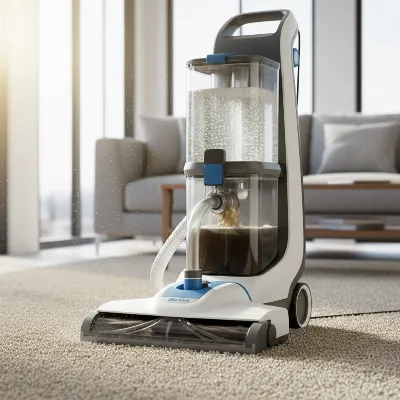
Keeping carpets pristine is a common household challenge, and a reliable carpet cleaner is an invaluable tool in this fight. While these machines effectively remove embedded dirt, stains, and allergens, their longevity and performance heavily depend on consistent care. Just like any other appliance, neglecting your carpet cleaner can lead to decreased efficiency, premature wear, and costly repairs, ultimately diminishing its ability to keep your home’s carpets looking their best. This comprehensive guide, informed by years of experience in carpet care technology, will equip you with the knowledge to select the ideal machine for your needs and, crucially, to maintain it for optimal, long-lasting performance.
Choosing the Right Carpet Cleaner: A Detailed Guide
Selecting the perfect carpet cleaner involves understanding the different types available and identifying features that align with your specific cleaning demands. From quick spot treatments to deep-cleaning entire rooms, there’s a machine designed for every scenario. Making an informed choice at the outset can significantly impact your cleaning efficiency and satisfaction.
Popular Types of Carpet Cleaners
The market offers a variety of carpet cleaner designs, each with distinct advantages for different cleaning tasks. Understanding these categories is the first step toward finding your ideal match.
- Upright Carpet Cleaners: These full-sized machines resemble traditional vacuum cleaners and are excellent for deep cleaning large, open carpeted areas. They typically offer powerful suction and wide cleaning paths, making them efficient for whole-room treatments. However, their size can make them cumbersome for stairs or tight spaces.
- Portable/Handheld Carpet Cleaners: Compact and lightweight, these cleaners are specifically designed for tackling spills, stains, and pet accidents quickly. They are highly maneuverable, ideal for upholstery, car interiors, and stairs where larger machines cannot reach. While convenient for spots, they are not suited for extensive area cleaning.
- Robot Carpet Cleaners: Offering autonomous cleaning, these intelligent devices navigate and clean carpets on their own, providing convenience for routine maintenance. They are best for light cleaning and maintaining overall freshness, rather than deep stain removal, and may struggle with very thick carpets.
- Professional-Grade/Hot Water Extractors: Often larger and more powerful, these machines are designed for heavy-duty cleaning tasks and can be purchased or rented. They inject heated water and cleaning solutions deep into carpet fibers, then extract the dirty solution with strong vacuum suction, offering the most thorough deep clean.
Important Features to Consider
Beyond the basic type, several key features contribute to a carpet cleaner’s effectiveness, ease of use, and overall value. Evaluating these will help you pinpoint a machine that meets your specific requirements.
- Suction Power: A carpet cleaner’s suction power directly impacts its ability to extract dirty water and cleaning solution from the carpet. Higher suction means quicker drying times and more effective removal of grime, preventing residue buildup that can attract new dirt. Look for models with strong motors and efficient airflow.
- Filtration System: While traditional HEPA filters are more common in dry vacuums, carpet cleaners also benefit from good filtration to protect the motor and ensure cleaner exhaust. Systems that are easy to access and clean prevent blockages and maintain optimal machine performance. Regular cleaning of these filters is crucial for efficiency.
- Attachments: Versatility is key, and various attachments can extend your cleaner’s functionality. Upholstery tools are essential for furniture, stair tools make staircases manageable, and crevice tools reach tight spots. Specialized pet tools often feature stronger brushes to handle stubborn pet hair and stains.
- Dust/Water Tank Capacity: The size of the clean water and dirty water tanks determines how often you’ll need to refill or empty them. Larger tanks are convenient for extensive cleaning jobs, reducing interruptions. Smaller tanks, found in portable units, are suitable for quick spot treatments.
- Noise Level: Carpet cleaners can be quite loud, which can be a significant consideration, especially in homes with young children, pets, or if you live in an apartment. Manufacturers often list decibel ratings, allowing you to compare models for quieter operation.
- Weight and Size: The machine’s weight and overall footprint impact its portability and storage. A lighter, more compact model is easier to maneuver up and down stairs or store in a closet, while larger units may require dedicated storage space. Consider how and where you will use and store the cleaner.
Comparison of Famous Carpet Cleaner Brands
Several brands dominate the carpet cleaner market, each with a reputation for specific strengths. Understanding their general offerings can help guide your purchasing decision.
Bissell is widely recognized for its extensive range of carpet cleaners, from compact spot removers to powerful upright and professional-grade machines. They are often praised for their innovative features, such as pet-specific technologies and heated cleaning, and generally offer good durability and effective stain removal. Hoover provides a strong lineup of carpet cleaners known for robust suction power and ease of use, often at competitive price points. Their SmartWash series, for instance, is popular for its automatic cleaning technology. Shark, while more recently established in carpet cleaners, offers powerful models with unique features like separate tanks for additional cleaning solutions, providing impressive stain reduction. Rug Doctor is a go-to for heavy-duty cleaning, often found as a rental option, known for its professional-grade extraction capabilities and ability to tackle deeply embedded grime.
Detailed Comparison Table
| Feature | Bissell | Hoover | Shark |
|---|---|---|---|
| Suction Power | Generally strong, especially on high-end | Often robust, good for deep cleaning | Very strong, especially newer models |
| Filtration System | Multi-layer, easy-clean filters | Standard, often rinseable | Advanced, sometimes with separate solution tanks |
| Attachments | Wide range, pet tools, stair tools | Good selection, upholstery, crevice tools | Innovative, some with unique stain-fighting |
| Tank Capacity | Varies by model (small to very large) | Moderate to large | Moderate, some smaller clean water tanks |
| Noise Level | Moderate to loud | Moderate to loud | Moderate to loud |
| Price | Budget-friendly to premium | Mid-range to high-end | Mid-range to premium |
Carpet Cleaner Buying Guide
Navigating the options can be overwhelming, but a systematic approach will help you make the best choice for your home. Consider these steps before making a purchase.
- Determine Usage Needs: Start by evaluating the size of your carpeted areas, the type of carpet fibers, and how frequently you anticipate needing to clean. Homes with pets or children will benefit from more powerful machines with specialized stain-fighting capabilities.
- Set a Budget: Carpet cleaners span a wide price range. Portable spot cleaners are typically more affordable, while high-capacity upright or professional-grade models represent a larger investment. Defining your budget helps narrow down suitable options.
- Read Reviews and Compare Products: Before purchasing, thoroughly research different models. Look for feedback on cleaning performance, durability, ease of use, and customer service. Independent reviews from reputable sources can provide valuable insights.
- Purchase from Reputable Retailers: Buying from authorized dealers or well-known retailers ensures you receive a genuine product and proper warranty coverage. This also simplifies any future needs for spare parts or service.
Tips for Using and Maintaining Your Carpet Cleaner
Once you’ve invested in a carpet cleaner, proper usage and diligent maintenance are paramount to ensuring its longevity and consistent performance. Regular care not only keeps the machine running efficiently but also safeguards your carpet from damage.
Regular Machine Cleaning
After each use, immediately attend to your carpet cleaner. Empty and thoroughly rinse both the clean and dirty water tanks to prevent residue buildup, bacterial growth, and unpleasant odors. Allow all components to air dry completely before reassembling and storing the machine. This simple step is critical for hygiene and machine health.
Filter Replacement
Carpet cleaners rely on filters to protect their motors and maintain effective suction. Regularly inspect and clean all filters according to your manufacturer’s instructions. Depending on the model and frequency of use, filters may need periodic replacement to ensure optimal performance and prevent clogs, ensuring the machine continues to trap dirt effectively.
Store in a Dry Place
Always store your carpet cleaner in a cool, dry environment, away from direct sunlight and extreme temperatures. Ensuring tanks are empty and dry before storage prevents mold, mildew, and corrosion of internal components, which can extend the machine’s lifespan and keep it ready for the next cleaning task.
Use Correct Chemicals
Always use cleaning solutions specifically designed for your carpet cleaner and compatible with your carpet type. Using incorrect or overly concentrated chemicals can damage the machine’s internal parts, void its warranty, and even harm your carpet fibers. Refer to your machine’s manual for recommended solutions and dilution ratios.
“A well-maintained carpet cleaner isn’t just about sparkling carpets; it’s about safeguarding your investment and ensuring a healthier home environment.” – Alex Chen, Lead Technician, ReviewsMonk.com
Beyond these core practices, remember to inspect brushes and nozzles after each use, removing any trapped hair or debris. Check hoses and connections for leaks or blockages, and periodically inspect drive belts for wear and tear, replacing them as needed to ensure consistent brush rotation and suction. Following these guidelines will keep your carpet cleaner operating at its peak.
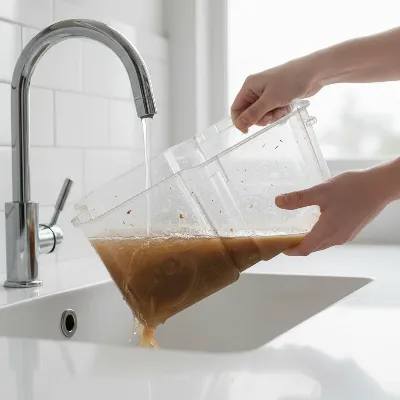 A person cleaning a carpet cleaner's dirty water tank after use, rinsing it thoroughly.
Conclusion
A well-maintained carpet cleaner is an indispensable asset for any household, preserving the beauty and hygiene of your carpets for years to come. By understanding the different types and features available, making an informed purchase, and diligently following essential maintenance tips, you can ensure your machine operates at peak efficiency. Regular cleaning of tanks, filters, brushes, and proper storage are not merely chores but investments in the longevity and effectiveness of your carpet cleaner. This commitment ensures not only cleaner carpets but also a healthier and more inviting home environment.
What steps will you take today to extend the life of your carpet cleaner?
Frequently Asked Questions
How often should I clean my carpet cleaner?
Ideally, you should clean your carpet cleaner after every use. This includes emptying and rinsing tanks, cleaning brushes and nozzles, and inspecting filters. Regular cleaning prevents dirt and solution residue from building up and causing problems.
Can I use any cleaning solution in my carpet cleaner?
No, it is crucial to use only cleaning solutions recommended by your Carpet Cleaner’s manufacturer or those explicitly designed for your machine type. Using incompatible solutions can damage internal components or leave excessive residue on your carpets.
What are the signs that my carpet cleaner needs maintenance?
Common signs include reduced suction power, strange noises during operation, visible streaks or residue left on carpets, unpleasant odors emanating from the machine, or leaks. Addressing these promptly can prevent more serious issues.
How do I prevent mold from growing in my carpet cleaner?
To prevent mold, always empty and thoroughly rinse all water tanks after each use, allowing them to air dry completely before reassembling. Store the machine in a dry, well-ventilated area, and ensure no moisture is trapped inside.