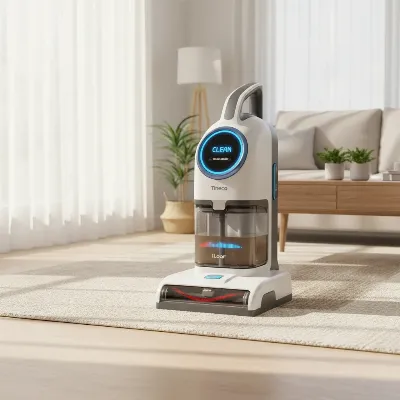
Discovering mold in your portable carpet cleaner can be an unwelcome surprise, often leading to unpleasant odors and a less effective cleaning experience. This common issue arises when moisture and residue are left behind, creating a perfect breeding ground for fungal growth within the machine’s components. Fortunately, tackling mold in your carpet cleaner is a manageable DIY task, essential for maintaining your appliance’s longevity and ensuring a truly fresh clean for your carpets. This comprehensive guide will walk you through the necessary steps and best practices to thoroughly remove mold and prevent its return, helping you keep your portable carpet cleaner in pristine condition.
Understanding Mold Growth in Your Portable Carpet Cleaner
Mold is a tenacious fungus that thrives in specific conditions, and your portable carpet cleaner can inadvertently offer the ideal environment. Understanding why mold takes hold and how to spot it is the first step toward effective remediation.
Why Mold Thrives in Your Machine
Table is empty.Portable carpet cleaners are designed to use water and cleaning solutions to deep-clean carpets, but if not properly maintained, they can become a haven for mold. Mold spores are ubiquitous, existing naturally in the air, and they only need three things to multiply: moisture, warmth, and a food source. After each use, residual water often remains in the tanks, hoses, nozzles, and internal mechanisms. This trapped moisture, combined with the often-mild indoor temperatures and any lingering organic debris from the carpets (which acts as a food source), creates the perfect warm, damp environment for mold colonies to flourish rapidly.
Identifying Mold: Signs and Symptoms
Identifying mold in your portable carpet cleaner is crucial to address the problem early. The most obvious sign is the presence of visible fuzzy patches, which can appear black, green, white, or even pink, often found in the dirty water tank, on brush heads, or within clear hoses. Beyond visual cues, a pervasive musty, earthy, or stale odor emanating from the machine is a strong indicator of hidden mold growth, even if it’s not immediately visible. You might also notice a decrease in your cleaner’s performance or streaks of discoloration on your carpets after cleaning, signaling that mold spores are being redistributed.
The Risks of a Moldy Cleaner
Operating a mold-infested portable carpet cleaner extends beyond just an unpleasant smell; it poses several significant risks. First, a moldy machine will not effectively clean your carpets; instead, it will spread mold spores, bacteria, and unpleasant odors onto the very surfaces you’re trying to purify. This can lead to new mold growth on your carpets and rugs. More importantly, using a moldy cleaner can compromise indoor air quality, potentially triggering allergic reactions, respiratory issues, and other health problems for sensitive individuals, including children, the elderly, and those with asthma or allergies. Prompt mold removal is vital for both your home’s cleanliness and your family’s health.
Essential Tools and Natural Cleaning Solutions
Before you begin the mold removal process, gathering the right supplies is essential. Opting for natural cleaning solutions is often effective and safer for your machine and home environment than harsh chemicals.
Personal Protective Equipment
When dealing with mold, protecting yourself from airborne spores and cleaning agents is paramount. Always wear protective gloves to prevent direct skin contact with mold and cleaning solutions. A face mask or respirator (ideally N95) is crucial to avoid inhaling mold spores, which can irritate the respiratory system. Safety goggles will shield your eyes from splashes and airborne particles, ensuring a safe and comfortable cleaning experience.
Recommended Cleaning Agents
Several natural and highly effective solutions can help you eradicate mold from your portable carpet cleaner. Distilled white vinegar is a powerful, mildly acidic antifungal agent that kills most types of mold. It can be used undiluted for tough spots or diluted with water for general cleaning. Baking soda is excellent for absorbing odors, scrubbing away residue, and can enhance vinegar’s mold-killing capabilities. For an added antifungal boost, a few drops of tea tree oil can be incorporated into your cleaning solutions, known for its natural antimicrobial properties. Lastly, a small amount of mild dish soap mixed with water can assist in breaking down grime and cleaning stubborn stains without damaging your machine.
Necessary Cleaning Tools
Having the right tools will make the cleaning process significantly easier and more thorough. You’ll need a stiff-bristled scrub brush for larger surfaces like tanks and machine exteriors. Small bottle brushes are indispensable for cleaning hoses, narrow tubes, and hard-to-reach internal compartments. An old toothbrush is perfect for intricate areas, crevices, and around nozzles. A spray bottle allows for easy application of cleaning solutions. Finally, a supply of microfiber cloths or clean towels will be necessary for wiping, blotting, and drying all components.
Step-by-Step Guide to Deep Cleaning Your Moldy Machine
Thoroughly cleaning your portable carpet cleaner requires a systematic approach to ensure every mold-affected area is treated. Follow these steps carefully for the best results.
1. Initial Preparation and Disassembly
Begin by unplugging your portable carpet cleaner from the power source to ensure safety. Take your machine to a well-ventilated area, preferably outdoors or near an open window, to minimize exposure to mold spores indoors. Carefully empty any remaining water or cleaning solution from both the clean and dirty water tanks. Next, disassemble all removable parts, including the tanks, hose, nozzles, brush heads, and any other attachments. This allows for individual inspection and cleaning of each component. Give all parts a preliminary rinse with warm water to remove loose debris and surface mold.
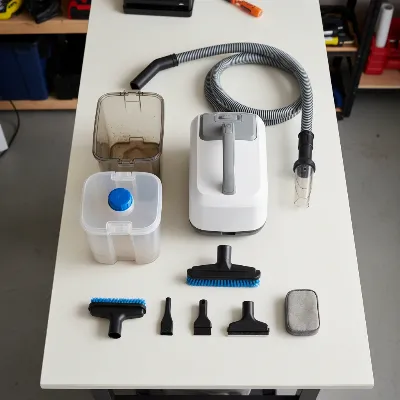 A disassembled portable carpet cleaner with its tanks, hose, and attachments laid out on a clean surface, ready for mold removal.
2. Cleaning the Water Tanks
The water tanks are often the primary sites for mold growth. For the dirty water tank, fill it halfway with undiluted white vinegar and let it sit for at least 30 minutes, or even a few hours for severe mold. For the clean water tank, fill it with a solution of equal parts warm water and white vinegar. Shake both tanks vigorously to agitate the solution and dislodge mold particles. Use your stiff-bristled brush to scrub the inside surfaces of both tanks, paying close attention to corners and crevices where mold tends to accumulate. If there’s persistent mold, create a paste with baking soda and a little water, apply it to the affected areas, let it sit, then scrub.
3. Tackling Hoses, Nozzles, and Attachments
The hose and various nozzles and attachments are also prone to mold due to residual moisture. Fill a sink or bucket with a 1:1 solution of warm water and white vinegar, and submerge the hose and all removable nozzles and attachments. Allow them to soak for at least 30 minutes. Use a bottle brush or a pipe cleaner to scrub the inside of the hose, working it through from both ends to remove any internal mold buildup. For nozzles and attachments, use an old toothbrush to meticulously clean all small openings, grooves, and intricate parts. Ensure you dislodge any visible mold or grime.
4. Cleaning Internal Components
While most portable carpet cleaners are not designed for extensive internal disassembly, you can still clean accessible internal pathways. Fill the clean water tank with a solution of half warm water and half white vinegar. Run the machine for a few minutes with this solution, as if you were cleaning a carpet, but direct the spray into a sink or bucket. This flushes the vinegar solution through the internal pump and spray lines, helping to kill mold and dislodge buildup. Afterward, turn off the machine and use a damp cloth soaked in vinegar solution to wipe down any accessible exterior parts, the brush roller area, and other components where mold might hide.
5. Thorough Rinsing to Remove Residue
After treating all components with cleaning solutions, a comprehensive rinse is vital. Fill the clean water tank with plain, fresh water and run it through the machine until only clear water emerges from the nozzle. Individually rinse all disassembled parts—tanks, hose, nozzles, and brushes—under running water until there is no trace of vinegar smell or cleaning solution residue. This step ensures that no cleaning agents are left behind, which could potentially cause damage to your carpets or act as a food source for new mold growth.
6. The Crucial Drying Process
The drying phase is arguably the most critical step in mold removal and prevention. Mold cannot grow without moisture, so ensuring everything is bone dry is paramount. After rinsing, shake off excess water from all components. Lay them out on clean towels in a well-ventilated area with good airflow. If possible, place them outdoors in direct sunlight, as UV light is a natural germicide. Use fans or a dehumidifier to accelerate the drying process. Do not reassemble your portable carpet cleaner until every single part, including the inside of the hose and tanks, is completely and absolutely dry. This may take 24-48 hours.
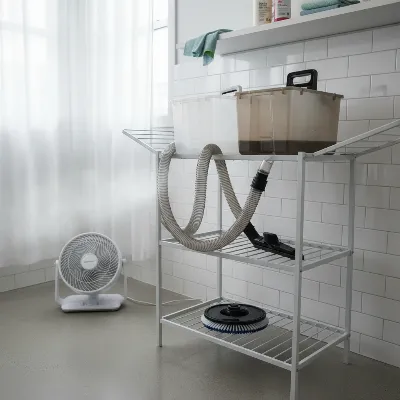 Various portable carpet cleaner parts, including tanks and hoses, air-drying on a rack with a fan blowing towards them, illustrating the critical drying process for mold prevention.
Preventing Future Mold Growth: Best Practices
Once your portable carpet cleaner is sparkling clean and mold-free, implementing preventative measures is key to keeping it that way. Simple habits can save you from future mold headaches.
Immediate Post-Use Care
The single most effective way to prevent mold is to take immediate action after every cleaning session. As soon as you finish using your carpet cleaner, always empty both the dirty and clean water tanks completely. Do not leave any standing water or cleaning solution in them. Next, rinse both tanks, the hose, and all attachments with fresh, clean water. This flushes out any remaining carpet debris, detergent residue, and moisture that mold spores could cling to. This simple routine drastically reduces the conditions favorable for mold proliferation.
Smart Storage Solutions
Where and how you store your portable carpet cleaner also plays a significant role in preventing mold. After cleaning and ensuring all components are thoroughly dry, store the machine in a dry, well-ventilated area. Avoid damp basements, humid garages, or tightly sealed cabinets that lack airflow. If possible, store the tanks and attachments separately or with their caps open to allow for continuous air circulation, preventing any lingering moisture from becoming trapped. A dedicated space that promotes airflow around the machine will deter mold from taking root.
Routine Maintenance Tips
Beyond immediate post-use care, incorporating routine maintenance can ensure your carpet cleaner remains mold-free. Every few uses, consider running a cycle with a solution of plain white vinegar and water through the machine to disinfect the internal pathways. Periodically check all parts, especially clear hoses and tanks, for any early signs of discoloration or musty smells. Addressing minor issues quickly, before they escalate, can prevent significant mold infestations. Regularly inspect and clean the brush rollers, as these can accumulate hair and debris that retain moisture.
Expert Insight
“Effective mold prevention in portable carpet cleaners hinges on one critical factor: thorough drying. Any lingering moisture, even seemingly insignificant droplets, creates an invitation for mold to colonize. Always prioritize complete air circulation and drying for all components after every use to safeguard both your machine and your indoor air quality.” – Sarah Jenkins, Professional Cleaning Appliance Specialist
Conclusion
Conquering mold in your portable carpet cleaner is a crucial step towards maintaining a healthier home and extending the life of your appliance. By understanding why mold grows, identifying its signs, and meticulously following the deep-cleaning steps outlined, you can effectively eradicate existing mold. Remember, the true secret to a mold-free carpet cleaner lies in diligent prevention: always empty and thoroughly dry all components immediately after each use, and store your machine in a well-ventilated area. A clean carpet cleaner not only performs better but also ensures you’re truly sanitizing your living space, not just spreading airborne spores. What other habits have you found effective in keeping your cleaning appliances pristine?
Frequently Asked Questions
Is Bleach Safe for Cleaning Mold in My Carpet Cleaner?
Generally, bleach is not recommended for cleaning mold from portable carpet cleaners. Bleach can be too harsh for some plastic components, potentially causing damage or discoloration. Furthermore, bleach does not effectively penetrate porous surfaces where mold roots deeply, making natural alternatives like white vinegar often more effective without the corrosive risks or harmful fumes.
How Often Should I Clean My Portable Carpet Cleaner to Prevent Mold?
For optimal prevention, it’s recommended to perform a quick rinse and air-dry of all removable components after every single use. A deeper clean, involving a vinegar flush and scrubbing, should be done at least once a month if you use your machine regularly, or before storing it for an extended period.
What If I Still Smell Mold After Cleaning?
If a musty odor persists after a thorough cleaning, it indicates that mold might still be present in an area you missed, possibly deep within inaccessible internal components or within the motor housing. In such cases, repeating the deep cleaning process, allowing for an even longer soak and drying time, might help. If the smell remains, it may be time to consider professional servicing or replacement.
Can I Use My Moldy Carpet Cleaner While It’s Still Infected?
No, it is strongly advised not to use a moldy Carpet Cleaner. Operating an infected machine will spread mold spores onto your carpets, potentially exacerbating existing mold issues, introducing new ones, and releasing harmful airborne spores into your home environment. Always ensure your cleaner is thoroughly mold-free before use.