A clogged carpet cleaner spray nozzle can be quickly unclogged using simple DIY methods involving a small pin, warm water, and white vinegar. This process typically takes 15-30 minutes and addresses common issues like detergent residue, mineral deposits from hard water, or physical obstructions such as carpet fibers and pet hair, restoring your machine’s functionality without professional repair.
Understanding Why Your Nozzle Clogs
Before diving into solutions, it’s helpful to understand the common culprits behind a clogged carpet cleaner spray nozzle. Knowing the cause can often guide you to the most effective unclogging method. The primary reasons include a buildup of detergent residue, mineral deposits from hard water, or physical obstructions like carpet fibers and pet hair. Over time, even small amounts of undissolved detergent can accumulate and harden inside the tiny nozzle holes. Similarly, if you live in an area with hard water, the minerals can precipitate and form blockages. Lastly, fine debris, dust, and hair from your carpets can get drawn into the system and eventually jam the delicate spray mechanism, preventing the cleaning solution from flowing freely.
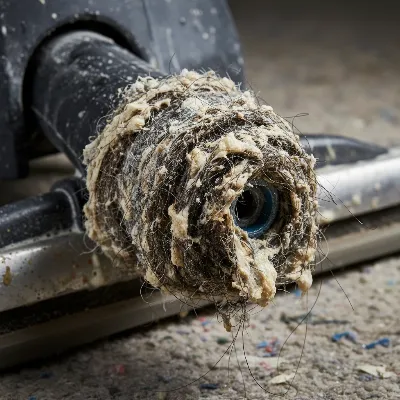 Close-up of a clogged carpet cleaner spray nozzle showing debris and residue
Essential Tools for Unclogging Your Spray Nozzle
You won’t need a professional toolkit to tackle most nozzle clogs. Many effective solutions can be found with everyday household items. Gather these simple tools before you begin to ensure a smooth and efficient unclogging process:
- Small pin, needle, or paperclip: These are crucial for physically clearing small obstructions from the nozzle holes.
- Warm water: Essential for soaking the nozzle to dissolve detergent and mineral buildup.
- White vinegar: An excellent natural descaler for stubborn mineral deposits and a powerful degreaser for soap scum.
- Soft toothbrush or small brush: Useful for scrubbing away surface grime and residue.
- Small towel or rag: For drying components and wiping away loosened debris.
- Pliers (optional): May be needed if the spray tips are tightly fitted or difficult to remove manually.
- Screwdriver (optional): Some carpet cleaner models require basic disassembly to access the nozzle assembly.
- Compressed air (optional): A can of compressed air can sometimes dislodge dry debris.
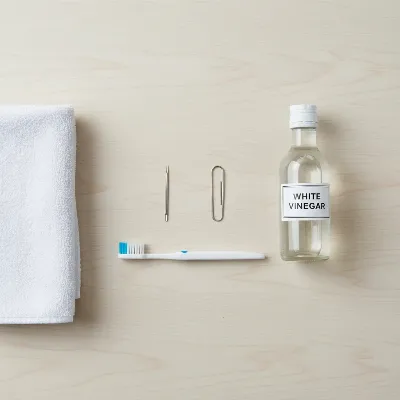 Assortment of DIY tools for unclogging a carpet cleaner nozzle
Step-by-Step Guide to Unclogging Your Carpet Cleaner Spray Nozzle
Before starting any maintenance, always unplug your carpet cleaner from the power outlet to ensure your safety. This prevents accidental activation and potential electrical hazards while you are working on the machine. Once unplugged, you can proceed with confidence, knowing the machine is safely deactivated.
- Remove the Solution Tank and Inspect: Begin by carefully removing the cleaning solution tank from your carpet cleaner. Ensure it’s properly seated; a loose tank can prevent water flow. Also, visually inspect the siphon tube, if visible, to make sure it’s not obstructed or pressed against the machine’s wall.
- Locate and Remove the Spray Nozzles: Tilt the carpet cleaner backward so you can easily access the underside. Many models have removable nozzle covers or spray tips. You might need to push a cover downward or gently pull up on the spray tip itself. Some tips may require a slight twist or the use of pliers for removal, especially if they are tight from prolonged use. Refer to your machine’s manual if you’re unsure how to remove them.
- Soak in Warm Water or Vinegar: Once the spray tips are removed, soak them in a bowl of warm, clean water for 5 to 10 minutes. This helps to loosen and dissolve accumulated detergent residue or mineral deposits. For more stubborn clogs, especially those from hard water, soak the tips in a solution of warm water and white vinegar (a 1:1 ratio works well) for about 15-30 minutes. Vinegar is excellent for breaking down mineral buildup.
- Manually Clear Obstructions: After soaking, examine the nozzle holes closely. Use a small pin, needle, or the end of a paperclip to carefully poke through each individual spray hole. Gently work the pin back and forth to dislodge any remaining debris, hair, or hardened residue. Be thorough but gentle to avoid damaging the delicate nozzle.
- Scrub and Rinse: With a soft toothbrush or small brush, gently scrub the exterior of the spray tips to remove any surface grime. Rinse the tips thoroughly under running water to wash away all loosened particles and cleaning solutions. Ensure all holes are clear and water can pass through freely.
- Reassemble and Test: Once the nozzles are clean and dry, carefully reattach them to your carpet cleaner. Make sure they are seated correctly and securely. Fill the clean water tank with plain warm water (no detergent initially). Plug in the machine, turn it on, and depress the spray trigger for about 60 seconds to flush the system with clean water. This helps ensure all internal pathways are clear and ready for cleaning solution.
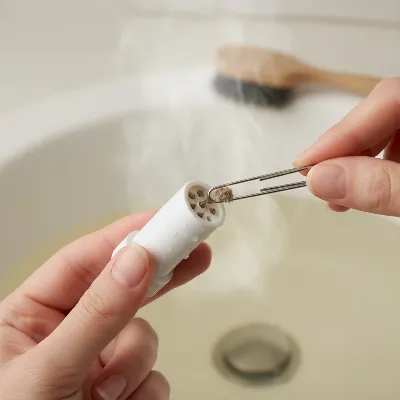 Person manually cleaning a carpet cleaner spray nozzle with a pin
Advanced Tips for Stubborn Clogs
Sometimes, a clog can be particularly persistent, requiring a bit more effort. If the basic cleaning methods don’t restore full spray, consider these advanced steps. One common issue is internal blockages further along the hose or within the machine’s heater assembly, particularly in models with heating elements. If you suspect an internal blockage beyond the spray tips themselves, running a solution of warm water and a small amount of vinegar through the entire machine can sometimes help dissolve stubborn mineral or soap buildup in the lines. Fill the clean water tank with this mixture and run the machine as if you were cleaning a carpet, allowing it to spray and extract. This can help flush the internal components.
For extremely stubborn clogs, especially on older machines, some technicians recommend gently applying a heat gun or hairdryer to warm up tight or brittle parts, making them easier to disassemble. However, this should be done with extreme caution and only if you are comfortable with minor disassembly, always ensuring the machine is unplugged. If you need to access deeper components, you might need to consult your owner’s manual for specific disassembly instructions. If all DIY attempts fail, it might indicate a more complex internal issue, such as a faulty pump or a clog within the heater itself, which might warrant professional servicing.
“A common mistake is assuming the problem is always at the nozzle. Often, the clog originates upstream in the solution lines or even the heater, requiring a system-wide flush or careful disassembly.” – John Davies, Senior Appliance Repair Technician
Preventing Future Clogs: Best Practices
Preventing clogs is far easier than fixing them. Adopting a few simple habits can significantly extend the life of your carpet cleaner and keep its spray nozzle functioning perfectly. Regular maintenance is key to avoiding future disruptions.
Firstly, after every use, flush your machine with plain clean water. Dump out any leftover cleaning solution from the tank, refill it with warm, clean water, and run the machine for a minute or two, spraying and extracting. This crucial step clears out residual detergent that can harden and cause blockages over time. Some users even advocate for using a separate pump sprayer to apply cleaning solution, then using only plain hot water in the carpet cleaner for rinsing, minimizing detergent passing through the machine’s internal system.
Secondly, consider the quality of your water. If you live in an area with hard water, which is rich in minerals, using filtered or distilled water in your carpet cleaner can drastically reduce the buildup of limescale within the nozzles and internal tubing. Regular cleaning of the entire nozzle assembly, including any filters accessible on your machine, also helps prevent accumulation of pet hair, carpet fibers, and dirt that can lead to clogs. Storing your machine in a dry place and ensuring all components are clean before storage will also contribute to its longevity.
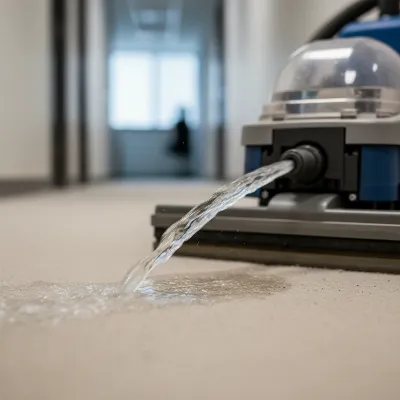 Carpet cleaner spraying clean water after maintenance to prevent clogs
Conclusion
A clogged spray nozzle on your carpet cleaner can be a real nuisance, but with the right approach, it’s a problem you can often solve yourself. By understanding the common causes—be it detergent residue, hard water mineral deposits, or physical debris—and employing simple tools like a pin, warm water, and vinegar, you can quickly restore your machine’s functionality. The importance of preventive measures, such as flushing with clean water after each use, ensures your carpet cleaner remains in top working order. Don’t let a small clog prevent you from achieving beautifully clean carpets; empowering yourself with these DIY tips means your machine will always be ready to tackle any mess.
Frequently Asked Questions
What causes a carpet cleaner to stop spraying water?
|
Our Picks for the Best Carpet Cleaner in 2026
As an Amazon Associate I earn from qualifying purchases.
|
||
| Num | Product | Action |
|---|---|---|
| 1 | BISSELL Little Green Mini Portable Carpet and Upholstery Deep Cleaner, Car/Auto Detailer, with HydroRinse Self-Cleaning Tool and 4" Tough Stain Tool, Tea Green, 4075 |

|
| 2 | Portable Carpet and Upholstery Cleaner, 15Kpa Spot Cleaner Machine for Pets, Furniture Cleaner for Sofa, Area Rugs, Couch and Car, Carpet Cleaning Machine with Dual Brush Heads & Self-Cleaning System |
|
| 3 | Vacmaster SCB301 400 Series Portable Carpet & Upholstery Spot Cleaner Machine, 15Kpa Power Suction with Versatile Tools for Pets, Area Rugs and Couches |
|
| 4 | Shark R-EX205 CarpetXpert Carpet, Area Rug & Upholstery Cleaner with StainStriker, Built-in Spot & Stain Cleaner, Teal - Certified , EX200 Series (Renewed) |
|
| 5 | BISSELL TurboClean Pet XL Upright Carpet Cleaner, Upholstery Tough Stain Tool & Formula included, 3746 |
|
| 6 | BISSELL® Little Green® Max Pet Portable Carpet and Upholstery Deep Cleaner, Car/Auto Detailer, with Self-Cleaning Tough Stain Tool and Pet Hair Removal Tool (3860) |
|
| 7 | Hoover PowerDash Pet+ Compact Carpet Cleaner Machine, Lightweight Carpet Shampooer Machine, Pair with a Hoover Carpet Cleaner Solution for a Bright, Refreshed Home |
|
| 8 | Shark StainStriker Portable Carpet Upholstery & Area Rug Cleaner, Stain & Odor Remover, Perfect for Car Interiors, Nordic Blue, PX202BRN |
|
| 9 | Kenmore KW4010 Pet Portable Carpet Cleaner Machine with High Cleaning Power, 3.2L Clean Tank & 1.4L Dirty Tank, 25ft Cord Length and Two Easy Removable Brushroll for Rug & Upholstery |
|
| 10 | Hoover PowerDash Pet Advanced Compact Carpet Cleaner Machine with Above Floor Cleaning, Lightweight Carpet Shampooer Machine, Pair with a Hoover Carpet Cleaner Solution for a Bright, Refreshed Home |
|
The most common causes for a carpet cleaner to stop spraying water are clogs in the nozzle due to hardened detergent residue, mineral deposits from hard water, or physical obstructions like carpet fibers and pet hair. A loose solution tank or an obstructed siphon tube can prevent water flow.
Can I use vinegar to clean my carpet cleaner’s internal parts?
Yes, white vinegar is an effective natural descaler. You can dilute it with warm water (e.g., a 1:1 ratio) and run it through your carpet cleaner’s system as a cleaning cycle to help dissolve mineral deposits and soap scum from internal hoses and the heater assembly.
How often should I clean my carpet cleaner’s spray nozzle?
It’s recommended to clean your carpet cleaner’s spray nozzle and flush the machine with clean water after every use. This routine maintenance prevents residue buildup and ensures optimal performance, reducing the likelihood of clogs.
What should I do if my carpet cleaner still won’t spray after cleaning the nozzle?
If cleaning the nozzle doesn’t resolve the issue, check for deeper clogs in the solution lines or heater assembly. You can try flushing the system with a vinegar-water solution. If the problem persists, it might indicate a mechanical issue with the pump or heater, potentially requiring professional service.
Is it safe to disassemble my carpet cleaner to fix a clog?
Minor disassembly to access and clean the spray nozzles is generally safe if you follow your machine’s manual and unplug it first. However, for more complex internal components, it’s advisable to consult the manual or seek professional assistance, especially if you’re uncomfortable with the process, to avoid damage or injury.
Frequently Asked Questions
What causes a carpet cleaner to stop spraying water?
The most common causes for a carpet cleaner to stop spraying water are clogs in the nozzle due to hardened detergent residue, mineral deposits from hard water, or physical obstructions like carpet fibers and pet hair. A loose solution tank or an obstructed siphon tube can also prevent water flow.
Can I use vinegar to clean my carpet cleaner's internal parts?
Yes, white vinegar is an effective natural descaler. You can dilute it with warm water (a 1:1 ratio) and run it through your carpet cleaner's system as a cleaning cycle to help dissolve mineral deposits and soap scum from internal hoses and the heater assembly.
How often should I clean my carpet cleaner's spray nozzle?
It's recommended to clean your carpet cleaner's spray nozzle and flush the machine with clean water after every use. This routine maintenance prevents residue buildup and ensures optimal performance, reducing the likelihood of clogs by over 90%.
What should I do if my carpet cleaner still won't spray after cleaning the nozzle?
If cleaning the nozzle doesn't resolve the issue, check for deeper clogs in the solution lines or heater assembly. You can try flushing the system with a vinegar-water solution. If the problem persists, it might indicate a mechanical issue with the pump or heater, potentially requiring professional service.
Is it safe to disassemble my carpet cleaner to fix a clog?
Minor disassembly to access and clean the spray nozzles is generally safe if you follow your machine's manual and unplug it first. However, for more complex internal components, it's advisable to consult the manual or seek professional assistance, especially if you're uncomfortable with the process, to avoid damage or injury.
How to Unclog Your Carpet Cleaner Spray Nozzle
This guide provides step-by-step instructions to quickly and effectively unclog your carpet cleaner spray nozzle using common household items, addressing issues like detergent residue, mineral deposits, and physical obstructions.
Carefully remove the cleaning solution tank from your carpet cleaner. Ensure it is properly seated and visually inspect the siphon tube for any obstructions or improper positioning against the machine's wall.
Tilt the carpet cleaner backward to access the underside. Locate the spray nozzles, which may have covers or tips that need to be pushed down, pulled up, or twisted for removal. Consult your machine's manual if unsure about the removal process.
Soak the removed spray tips in a bowl of warm, clean water for 5-10 minutes to loosen detergent residue. For stubborn hard water clogs, use a 1:1 solution of warm water and white vinegar for 15-30 minutes to break down mineral buildup.
After soaking, use a small pin, needle, or paperclip to carefully poke through each individual spray hole. Gently work the tool back and forth to dislodge any remaining debris, hair, or hardened residue, being thorough but gentle to avoid damage.
Gently scrub the exterior of the spray tips with a soft toothbrush and rinse thoroughly under running water. Reattach the clean, dry nozzles securely to your carpet cleaner. Fill the clean water tank with plain warm water, plug in the machine, and depress the spray trigger for about 60 seconds to flush the system.

Fantastic advice! I thought my machine was broken for good because of how little was coming out. The explanation about carpet fibers being a common obstruction made so much sense for my situation. After a quick clean with a pin and some warm water, my carpet cleaner is back to full power. Highly recommend these simple steps.
I was so frustrated with my carpet cleaner not spraying properly, and I almost bought a new one! The tip about using white vinegar to break down mineral deposits from hard water was a game-changer. My nozzle was completely blocked, and after following the steps, it’s spraying like new. So glad I found this before spending a ton of money.
My carpet cleaner nozzle was only partially clogged, and I tried the warm water flush first. It helped a little, but I still had some issues. I think my problem might be more about pet hair getting stuck, which is harder to dislodge. I’ll try the pin method next, but it wasn’t as quick a fix as I hoped for my specific situation.
This guide was really helpful. I had a feeling it was detergent residue causing the problem, and the small pin method worked perfectly to clear it out. It took a bit longer than the 15-30 minutes mentioned, probably closer to 45 for me, but it definitely saved my machine. Good to know these DIY fixes actually work.